
Bringing Ashes Home to the UK After a Death Abroad
Bringing Ashes Home to the UK
After a Death Abroad
20th October 2026 by Mears Family Funerals
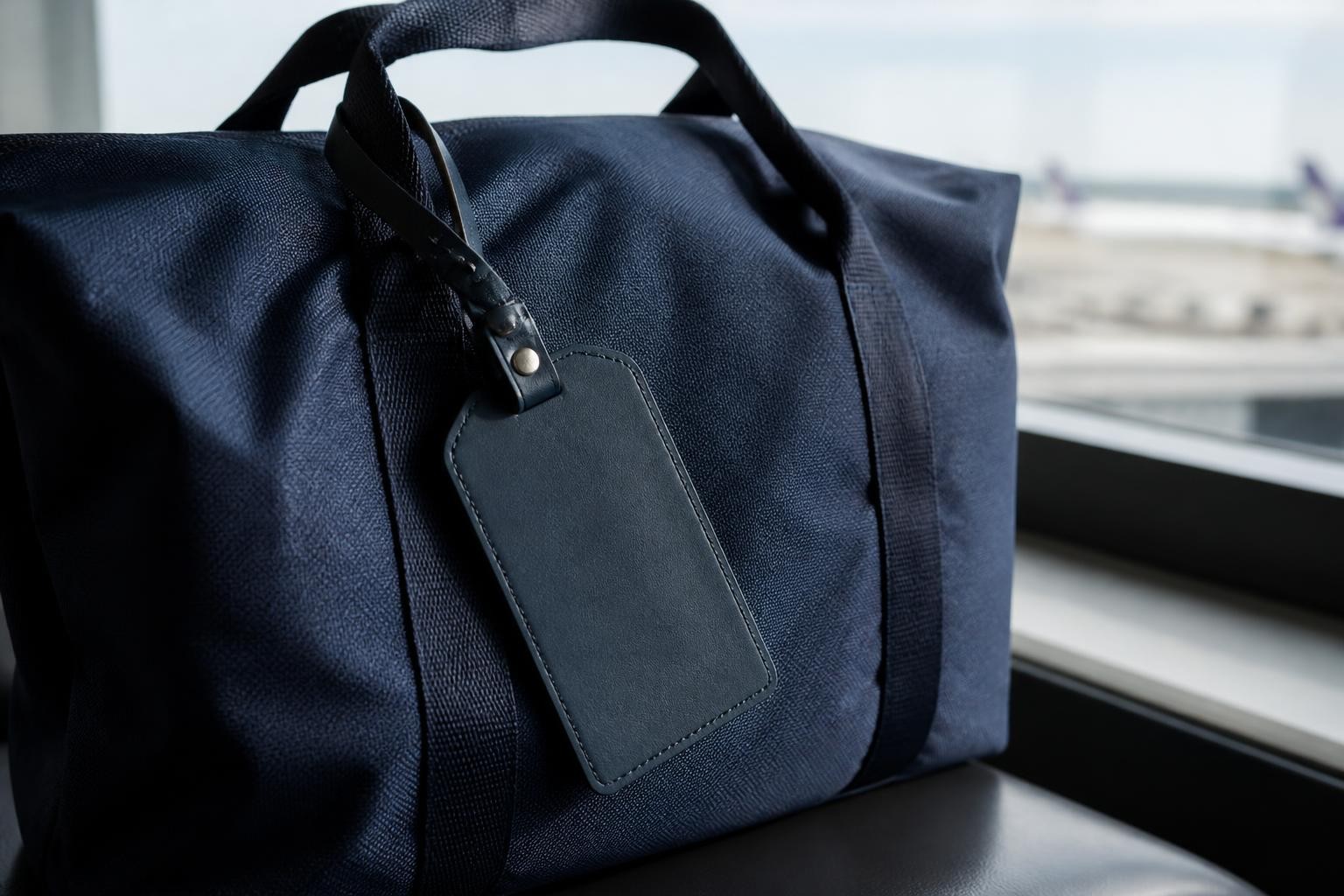
If you need to know how to bring ashes back to the UK from abroad, the short answer is that you will usually need the cremation documents, the death certificate, a suitable container, and confirmation from the airline or carrier before you travel. In most cases, human ashes can be brought into the UK, but problems arise when paperwork is missing or the container cannot be screened at the airport.
We help families with Repatriation regularly, and the most important point is to check the rules in three places before you set off, the country where the cremation took place, the airline you are flying with, and the UK arrival requirements. Those rules are not always identical, and they can change depending on whether you are travelling yourself or arranging shipment separately.
What you need before you travel
Before collecting ashes overseas, ask the crematorium, funeral director, or local authority abroad for the documents that confirm whose ashes they are and where the cremation took place. In practice, families are usually asked for:
- The death certificate
- The cremation certificate or certificate of cremation
- A document confirming the contents of the urn or container
- Your passport
- Flight booking details
- If needed, a translation into English
Different countries issue different document names. Some provide a medical death certificate first and a civil death certificate later. Some issue a cremation permit, release certificate, or export letter. We advise families to obtain every original document available and keep copies separately.
If the documents are not in English, it is sensible to arrange a certified translation, particularly if the papers may need to be shown to airline staff, airport security, or Border Force. It is not always formally required, but it can prevent delays.
The container matters as much as the paperwork. Ashes should be placed in a sealed, clearly labelled container that can pass through airport security screening. A lightweight urn or temporary container made of wood, cardboard, plastic, or another non-metallic material is usually easiest. Heavy metal, stone, or ceramic containers can cause difficulties because security staff may not be able to X-ray them clearly. If a container cannot be screened properly, it may not be allowed through.
Ask the crematorium abroad whether they can provide a temporary travel container. If you plan to transfer the ashes into one of our Cremation Urns after arrival, this is often the simplest option.
You should also check whether the country you are leaving has its own exit rules. Within the EU, procedures can still differ by member state, even though families often expect one standard approach. Some airports are straightforward, while others want advance notice or extra documents. Outside the EU, local rules can be stricter, and some countries require consular involvement before ashes can leave.
If you would like us to manage the practical side, our Repatriation support can guide you through the documents and timings from start to finish.
How to carry ashes on a flight
Most families ask whether ashes should go in hand luggage or checked baggage. In many cases, hand luggage is the better option, because you keep the ashes with you and reduce the risk of loss or mishandling. However, the correct answer depends on the airline, because each carrier can set its own conditions.
Some airlines allow ashes in cabin baggage if they are in a security-screenable container and accompanied by the cremation paperwork. Others allow them in checked baggage only. Some permit either, but ask you to notify them in advance. That is why we always recommend checking the airline's conditions before travelling, rather than relying on general advice.
When you contact the airline, ask these specific questions:
- Are cremated remains allowed in hand luggage, checked baggage, or both?
- Does the container need to meet a particular standard?
- Do they require advance notification or pre-approval?
- Do they want copies of the death certificate and cremation certificate before travel?
- Are there any restrictions at the departure airport, even if the airline itself agrees?
If you are booking flights for a return of ashes after a death abroad, keep written confirmation of the airline's policy with your travel papers. Airport staff and security teams work to their own procedures, and having the airline's approval in writing can help if questions arise on the day.
Where possible, pack the ashes respectfully and practically. We suggest placing the sealed container inside a protective outer bag or case, with the documents in a separate folder that is easy to reach. Do not wrap the urn so heavily that security staff cannot inspect it if needed.
If another relative is travelling with you, decide in advance who will carry the ashes and who will carry the paperwork. That avoids confusion at check-in or security.
What happens at the UK border
On arrival in the UK, Border Force or customs officers may ask what you are carrying and may ask to see the documents for the ashes. In many cases, families pass through without difficulty, especially when the paperwork is complete and the container is clearly identifiable. Even so, you should be prepared to explain that you are carrying cremated remains.
Keep these documents ready in your hand luggage:
- Death certificate
- Cremation certificate
- Any translation
- Your passport
- Any supporting letter from the crematorium, funeral director, or airline
UK rules for bringing in ashes are generally more straightforward than the rules for bringing in a body. Ashes do not usually require the same level of formal import process as a coffin, but Border Force still has the right to inspect and question items entering the country. If there is any uncertainty about the contents, the paperwork, or the container, you may be delayed while checks are made.
If the ashes are arriving from an EU country, that does not automatically remove the need for documents. Families sometimes assume that travel from the EU will be treated as routine, but cremated remains are still a sensitive category and staff may still ask for evidence of what is being carried. From outside the EU, checks can feel more formal, but the practical advice is the same, carry full original paperwork and keep it accessible.
If you are concerned about the process, we can advise before you travel and help you prepare the documents in the form most likely to be accepted.
How to send ashes to the UK if you are not travelling
If you are not travelling yourself, ashes can sometimes be sent to the UK by courier, air cargo, or with the help of a funeral director. The right option depends on the country of origin, the local export rules, and the carrier's own policy.
This is the area where families most often run into avoidable problems. Not all couriers accept cremated remains. Not all airlines will carry them as cargo. Some countries permit shipment only through licensed funeral professionals. Others require specific packaging standards or consular paperwork.
The main options are:
- International courier, where permitted
- Air cargo booked through an authorised agent
- Funeral director to funeral director transfer
- A full Repatriation arrangement managed on your behalf
Before arranging shipment, confirm all of the following:
- Whether the country of departure allows ashes to be exported by post, courier, or cargo
- Whether the receiving carrier accepts cremated remains into the UK
- What documents must accompany the consignment
- How the ashes must be packaged and labelled
- Whether someone in the UK must be named to receive them
Where families want the least stressful route, funeral director support is often the safest option. We can liaise with the overseas provider, check the paperwork, arrange collection if needed, and make sure the ashes arrive into our care properly. If you want a local place for receipt and safekeeping, we can receive ashes into one of our Care Centres and discuss the next steps with you privately.
What to do once the ashes are back in the UK
Once the ashes are home, there is no need to make every decision immediately. Many families keep the ashes for a time while they decide what feels right. We can help whether you want a simple temporary arrangement or a permanent memorial choice.
Common options include:
- Keeping the ashes at home in Cremation Urns
- Placing ashes in a grave, family plot, or cemetery space
- Scattering ashes in a meaningful place, where permission allows
- Interring ashes in a churchyard or crematorium garden, subject to local rules
- Choosing Memorials that include an inscription or dedicated place of remembrance
- Creating a keepsake such as Ashes into Glass or Fingerprint Jewellery
If you are planning to scatter ashes, check first whether permission is needed. Private land requires the landowner's consent. Churchyards, cemeteries, and crematoria each have their own rules. For rivers, coastal locations, and beauty spots, it is best to check with the relevant authority rather than assume. We always encourage families to record where ashes have been scattered or interred, even informally, so future generations know.
Some families choose a memorial service after the ashes return, especially if the death happened overseas and relatives could not gather at the time. If that is what you are considering, you can read about planning a memorial service after a loss.
If you are still deciding between a full service and a simpler arrangement, it may also help to look at our traditional cremation service approach or a simple cremation option for families who want fewer formalities.
At Mears Family Funerals, we know that bringing ashes home can feel like one more burden at a time when you are already carrying too much. If you need help with the documents, the travel arrangements, or what to do once the ashes are back in the UK, we can guide you one to one, clearly and respectfully, from the overseas paperwork through to Cremation Urns, Memorials, and any further arrangements you want to make.
Questions and answers
Do I need permission to bring ashes into the UK?
In many cases, no special import permit is needed for human ashes, but you should carry the cremation certificate and death certificate. Rules can change, so check with the airline, the country you are leaving and UK authorities before travel.
Can I take ashes in hand luggage?
Often yes, but it depends on the airline and airport security rules. A non-metal container that can be scanned is usually best. Always confirm the airline’s policy before you travel.
What documents should travel with the ashes?
Take the death certificate, cremation certificate, your passport or photo ID, and any airline paperwork. If documents are not in English, it can help to carry a certified translation.
Can ashes be posted to the UK?
Possibly, but postal and courier rules vary widely by country and carrier. Some services do not accept human ashes at all, so it is important to check the exact policy before sending anything.
Will airport security open the urn?
Security staff may need to inspect the container, but opening it is usually avoided where possible. Using a securely sealed, clearly labelled container that can be X-rayed can help prevent problems.