
When Cremation Became a Normal Choice in the UK
When Cremation Became a
Normal Choice in the UK
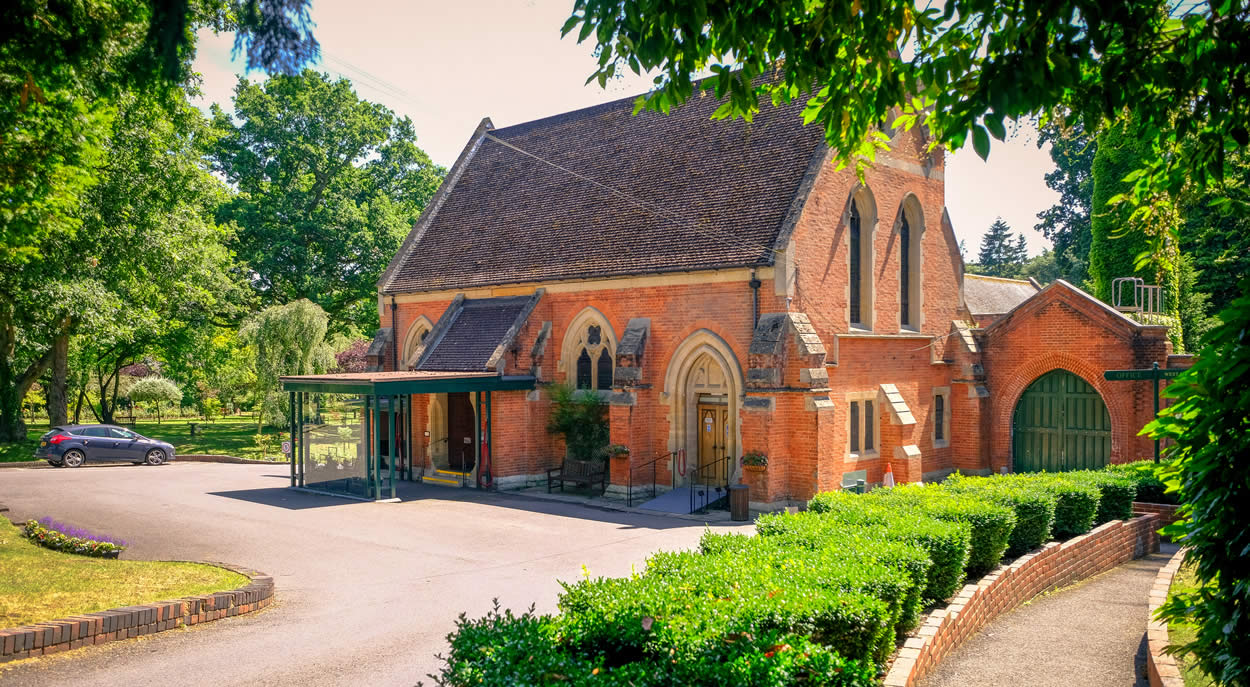
For much of the 19th century, burial was the expected way to deal with a death in the UK. Cremation existed as an idea, and it had supporters, but it was not yet part of ordinary funeral practice. The short answer is that cremation became a normal, widely accepted choice during the 20th century, and especially in the years after the Second World War, when more crematoria opened and family attitudes changed.
So, if you are asking when cremation became common in the UK, the most accurate answer is that it moved from being unusual in the late Victorian and Edwardian periods to becoming mainstream after 1945. By the later decades of the 20th century, it was no longer seen as an exception in most parts of the country, but as one of the standard options families considered alongside burial.
When did cremation start in the UK?
Cremation became legally and practically possible in the UK in the late 19th century. The key legal turning point came in 1884, with the case of R v Price. That case did not create a full cremation law, but it established that cremation was lawful provided it did not amount to a public nuisance and was not carried out in a way that breached other laws.
That legal position mattered because it removed one of the main barriers. Soon afterwards, the first official cremation in Britain took place at Woking Crematorium in 1885. Woking is usually recognised as the first crematorium in the UK to operate on a proper, organised basis. From that point on, cremation was no longer only a theory or a campaign idea. It was a real, available funeral choice, even if only for a small number of people.
The late Victorian background is important here. Britain’s towns and cities had grown rapidly. Churchyards and cemeteries were under pressure, public health was a serious concern, and reformers were interested in cleaner and more efficient ways of dealing with the dead. The cremation movement drew support from doctors, social reformers and some public figures who believed burial space could not meet future demand indefinitely.
Even so, availability remained limited. Early cremation depended on access to one of the few crematoria then operating, and many families were uncomfortable with a practice that felt unfamiliar. There were also practical requirements. Over time, more formal regulation developed, including the Cremation Act 1902, which provided a clearer legal framework for the establishment and supervision of crematoria. That helped move cremation from a novel practice into a regulated public service.
When did cremation become common?
Cremation did not become common immediately after it became lawful. For several decades, it remained the minority choice. It was known, discussed and increasingly available, but still far from the norm.
The real shift came across the 20th century. In the first half of that century, cremation slowly gained ground, particularly in larger towns and cities where crematoria had been built. But the biggest change came after 1945. Post war Britain saw major social change, rebuilding, urban development and a wider expansion of local authority services. New crematoria opened in more areas, making cremation a practical option for many more families.
That is the point at which the answer to the question, when cremation became common in the UK, becomes clearer. It was not one single year. It was a gradual transition, but the post war decades are when cremation moved decisively into the mainstream. By the second half of the 20th century, many families no longer saw it as unusual or controversial. It had become part of ordinary funeral planning.
This pattern was not identical in every part of the UK. Local custom, religious tradition and the availability of facilities all made a difference. Some areas adopted cremation more quickly than others. In densely populated urban areas, where burial land was under more pressure, uptake often rose sooner. In other places, burial remained more strongly rooted for longer.
Still, the broad national picture is clear. Cremation went from a late Victorian innovation to a standard funeral choice over the course of the 20th century, with the strongest period of growth after the Second World War.
Why did more families choose cremation?
Several practical and cultural reasons explain why cremation became more popular.
One was cost. While prices vary by location, type of funeral and the choices a family makes, cremation has often been seen as a more manageable option than burial, especially where burial involves the purchase of an exclusive right of burial, cemetery fees, grave preparation and memorial costs. A cremation can still be arranged in very different ways, from a full service to a simpler farewell, but for many households it offered greater flexibility. Families comparing options often look at the difference between a attended service, a Basic Funeral, and a Direct Cremation. We explain some of those choices in our guide to understanding funeral choices when you need to decide.
Land pressure also mattered. Burial needs space, and in many parts of the UK, especially in and around large towns, burial land became increasingly limited or expensive. Local authority cemeteries and churchyards could not always expand easily. Cremation reduced the need for new grave space, which made it attractive both to public authorities and to families.
Convenience played a part too. Cremation can simplify some decisions around grave purchase and cemetery arrangements. It also gives families more flexibility afterwards. Some choose burial or scattering of ashes, some keep ashes at home for a time, and some later arrange Memorials, Cremation Urns, or keepsakes such as Ashes into Glass or Fingerprint Jewellery. The cremation itself is one decision, the form of remembrance is another.
Changing beliefs were equally important. As society became less bound by a single religious expectation about burial, more families felt able to choose the funeral that suited their circumstances, values and budget. That did not mean the funeral became less meaningful. In many cases it simply meant the service and the committal were arranged differently.
Local availability was the final major factor. Families are far more likely to choose cremation when there is a crematorium within reasonable reach, suitable appointment times, and a funeral director who can explain the process clearly. As more crematoria opened, cremation became not just lawful and accepted, but straightforward to arrange.
How did attitudes to cremation change over time?
Public attitudes changed gradually. In the beginning, cremation could seem unfamiliar, stark or even unsettling. Many Victorians associated a proper funeral with burial, church ritual and a marked grave. Cremation challenged those assumptions.
Religious views also evolved over time. Some Christian denominations were cautious at first, but many later accepted cremation as compatible with faith and funeral worship. The Church of England, for example, came to accommodate cremation services and committals, helping normalise the practice for many families. The Roman Catholic Church once strongly discouraged cremation, but in the 20th century its position changed, and it now permits cremation subject to its own guidance about reverent treatment of ashes. Other faith communities have their own distinct traditions, and for some, burial remains the expected practice.
Cultural acceptance often follows familiarity. As more people attended cremation funerals for relatives, friends and neighbours, the process stopped feeling unusual. The service itself also became more personal. Families saw that a cremation funeral could still include a hearse, flowers, music, readings, a minister or celebrant, an Order of Service, a viewing in a Chapel of Rest, and all the marks of respect they would expect at any funeral.
That remains important today. Cremation is a method of disposition, not a fixed style of funeral. A family may choose a simple unattended Direct Cremation, a full service at a crematorium chapel, or a church service followed by cremation. They may prefer Bespoke Funerals, or a more straightforward arrangement. The choice of cremation does not decide the tone of the day by itself.
What this history means for families today
This history matters because it explains why cremation now feels like a normal choice to so many families. It is not a modern shortcut or a lesser option. It is a long established part of funeral practice in the UK, supported by law, public facilities and changing customs over more than a century.
For families arranging a funeral now, the more useful question is often not whether cremation is acceptable, but what kind of funeral is right. Some people want a traditional service with mourners present, floral tributes and time together afterwards. Others want privacy, simplicity and lower costs. Some want a service now and Memorials later. Some are also balancing wider issues such as Wills & Probate, or arranging Repatriation from overseas before any funeral can take place.
We help families work through those choices in practical terms. That includes explaining the difference between the cremation itself and the surrounding arrangements, such as transport, coffin selection, notices, music, officiants and ashes options. A funeral can include traditional elements such as a Traditional Horse Drawn Funeral, or it can be kept very simple. Families may choose Cremation Caskets, Cremation Urns, or a later memorial item. If burial is preferred, there are also choices around coffins and natural materials, including products made by Somerset Willow.
Where someone has died and decisions need to be made quickly, our guide on what to do first when someone dies and a funeral must be arranged may help. If you are comparing simpler cremation options, you may also find our guide to what you can expect to pay for a Direct Cremation useful.
At Mears Family Funerals, we see every day that families do not all want the same thing, and they should not be pushed into one model. Cremation became common in the UK because people needed practical, respectful choices. That is still what matters now. Whether you are planning ahead or arranging a funeral after a death, the right decision is the one that reflects the person who has died, the needs of the family, and the kind of farewell that feels right.
Questions and answers
Was cremation always legal in the UK?
No. Cremation only became established in law and practice in the late 19th century. Before that, burial was the normal and expected option for most families.
Did cremation become common before burial declined?
Cremation grew gradually rather than replacing burial overnight. For many decades both existed side by side, with cremation becoming the more common choice over time.
Why did cremation become more popular after the war?
After the Second World War, population growth, pressure on burial space, lower cost and wider access to crematoria all helped make cremation a more practical option.
Is cremation now the usual choice in the UK?
For many families, yes. Cremation is now a very familiar option across the UK, although burial remains important for personal, cultural and religious reasons.
Can a cremation still include a full funeral service?
Yes. A cremation can be part of a traditional funeral, a simpler service or Direct Cremation. The cremation method and the style of farewell are separate choices.