
What you can Expect to Pay for a Direct Cremation
What you can Expect to Pay
for a Direct Cremation
2nd October 2026 by Mears Family Funerals
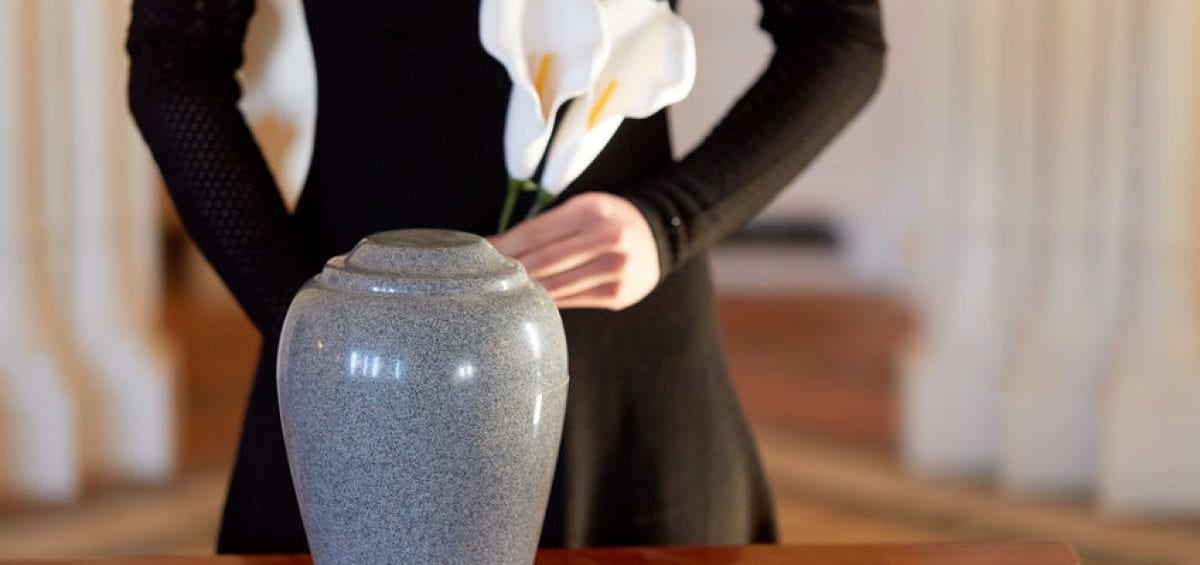
If you are trying to work out how much a Direct Cremation costs in the UK, the short answer is that prices vary widely depending on what is included. A lower headline figure may cover only the cremation itself, while a higher price may include collection of the person who has died, care in suitable facilities, all professional arrangements, the doctor’s paperwork where needed, and the return of ashes.
For many families, a Direct Cremation is the simplest and most affordable funeral option. It usually takes place without a service at the crematorium and without mourners attending. That simplicity can reduce cost, but it is still important to check exactly what you are paying for, what sits outside the quoted price, and whether the arrangement feels right for your family.
What a Direct Cremation usually includes
A Direct Cremation is a cremation without a funeral service at the crematorium. In most cases, there is no procession, no limousines, no hearse for mourners to follow, and no formal ceremony at the time of committal. The person who has died is collected, cared for, prepared for cremation, and taken to the crematorium at an allocated time.
The core elements families are usually paying for include:
- Collection of the deceased, often within a defined area and during normal working hours
- Care of the deceased before the cremation
- Completion of the funeral arrangements and administration
- A simple coffin, often one of the standard Cremation Caskets suitable for cremation
- Transport to the crematorium
- The cremation fee itself, if included in the provider’s package
- Handling and return of ashes, where this forms part of the service
This is different from a funeral with a service, where families are arranging not only the cremation or burial but also the ceremony around it. A more traditional funeral may include viewing in a Chapel of Rest, a hearse, family limousines, pallbearers, a minister or celebrant, floral tributes, an Order of Service, and attendance at the crematorium or another venue.
At Mears Family Funerals, we find that some families choose a Direct Cremation because they want privacy and simplicity. Others prefer to separate the cremation from the memorial, holding a personal gathering later in a place and style that suits them better. That may be at home, in a church or hall, or through later Memorials with ashes present in Cremation Urns or incorporated into keepsakes such as Ashes into Glass or Fingerprint Jewellery.
What affects the cost in the UK
When families ask how much a Direct Cremation costs in the UK, the most important point is that one provider’s price may not be directly comparable with another’s. The total can change because of several practical factors.
The first is what is actually included in the package. Some providers include the crematorium fee and all transport. Others charge a low professional fee, then add disbursements and operational charges separately.
The second is the location of death and collection arrangements. If the person dies at home, in a hospital, in a hospice, or in a care home, the collection process may differ. Some providers include collection only within a set local radius. If the person needs to be brought into care from further away, there may be a mileage charge.
The third is timing. A collection during office hours may be included, while evenings, nights, weekends, and bank holidays can carry an extra charge. This is common across the sector and is worth checking in writing.
The fourth is the level of care and facilities behind the service. Families should know where their loved one will be taken, whether care is provided in the funeral director’s own Care Centres, and whether they can arrange time in a Chapel of Rest if they later decide they would like that option. A very low price can sometimes reflect a more limited service model.
The fifth is the crematorium used. Cremation fees vary by area and by time slot. Some Direct Cremation arrangements use lower cost, unattended slots at particular crematoria. That can help keep the price down, but families should know which crematorium is intended and whether there is any flexibility.
The sixth is medical paperwork. In England and Wales, the Medical Examiner system has changed parts of the process after a death, and families no longer face the old cremation form fees that many people remember. However, registration, certification, and coroner involvement can still affect timescales and administration. If the death is referred to the coroner, the release of documents may take longer. Scotland and Northern Ireland have their own procedures, so the process is not identical across the UK.
The seventh is whether the provider is managing everything directly or relying heavily on third parties. We believe families should know who is responsible at each stage, who they can call, and where their loved one is being cared for.
Which extra charges families should check for
A headline price is only useful if it reflects the real cost. Before agreeing to a Direct Cremation, ask for a written estimate showing what is included and what may be charged in addition.
Common extras to look out for include:
- Collection outside normal working hours
- Collection from a private residence rather than a hospital or hospice
- Additional mileage beyond a set local area
- Extra care charges where there are special requirements
- Use of a larger or specialist coffin
- Viewing of the deceased, if this is not part of the package
- Delivery or hand return of ashes
- Temporary container versus a selected urn from a range of Cremation Urns
- Fees connected with paperwork delays or changes requested by the family
- Removal of implants after cremation, if not already covered in the cremation fee
- Additional support if the death occurred overseas and Repatriation is needed before the cremation can be arranged
It is also worth asking what happens if circumstances change. For example, a family may begin with a Direct Cremation in mind, then decide they would like a small service, a visit to the Chapel of Rest, or later Memorials. A clear provider will explain the cost difference between a Direct Cremation, a Basic Funeral, and more Bespoke Funerals, without making you feel pressured.
If you are planning ahead, you may also want to consider related practical matters such as Wills & Probate, especially if the person responsible for arranging the funeral will also be dealing with the estate.
How to compare quotes fairly
The best way to compare prices is to ask each provider for a written breakdown and then compare like with like. A single figure on a website does not always tell you enough.
When reviewing quotes, check these points:
- Is the crematorium fee included?
- Is collection included, and from where?
- Are out of hours charges extra?
- Is care of the deceased carried out in the provider’s own facilities?
- Is a simple coffin included, and if so, what type?
- Are ashes returned, and how?
- Can the family visit or identify the deceased if needed?
- Which documents and administrative steps are covered?
- Is there a named person managing the arrangements?
It also helps to ask how the service will run in practice. Will your loved one remain in the care of one funeral director throughout, or be moved between locations? Will the cremation take place locally or at a crematorium some distance away? Can the provider explain the likely timescale from death registration to cremation?
We encourage families to ask for detail. Clear pricing is part of good care. If you want to understand how simple cremation pricing can work in practice, our article on a simple cremation service in Aylesbury may be helpful. You can also read about our low cost funeral service in Orpington and find your nearest open branch for local support.
When a Direct Cremation may be the right choice
A Direct Cremation may be the right choice if the person who died wanted no fuss, if the family prefers a private farewell later, or if budget is a major concern. It can also suit people who do not want the formality of a crematorium service, or families spread across different areas who would rather organise a memorial at a more convenient time.
This option often works well when relatives want space to plan something personal afterwards. That might be a scattering of ashes, a memorial gathering, or a tribute built around music, photographs, and shared memories rather than a formal funeral timetable.
For some families, though, another arrangement may feel more appropriate. If attending the committal matters deeply, or if cultural, religious, or personal expectations call for a ceremony with mourners present, a traditional cremation service or burial may be the better fit. Some people find comfort in the structure of a funeral day, seeing the hearse arrive, gathering with relatives, and marking the moment together.
There is no right answer for everyone. What matters is choosing an arrangement that reflects the person who has died and supports the people left behind.
At Mears Family Funerals, we guide families through these choices clearly and respectfully. Whether you are considering a Direct Cremation, a Basic Funeral, more Bespoke Funerals, later Memorials, or specialist support with Repatriation, we believe you should have straightforward information, transparent pricing, and one-to-one support from a local manager from the start.
Questions and answers
Is Direct Cremation the cheapest funeral option?
It is often one of the lowest-cost funeral choices because it does not usually include a service, procession or attendance at the crematorium.
Does the price usually include the crematorium fee?
Sometimes, but not always. Families should ask for a written breakdown showing whether crematorium charges and other third-party fees are included.
Can family attend a Direct Cremation?
Many Direct Cremation arrangements are unattended, but options vary. Some providers may offer attendance or a separate memorial at extra cost.
Are ashes returned after a Direct Cremation?
This depends on the arrangement. Families should check whether ashes are returned, how they are returned, and whether any extra fee applies.
Can we still hold a memorial afterwards?
Yes. Many families choose Direct Cremation first and then arrange a separate memorial or celebration of life at a time and place that suits them.
A Local Direct Cremation from Mears Family Funerals is just £1,495