
What is a funeral Order of Service?
What is a funeral Order of Service?
24th September 2026 by Mears Family Funerals
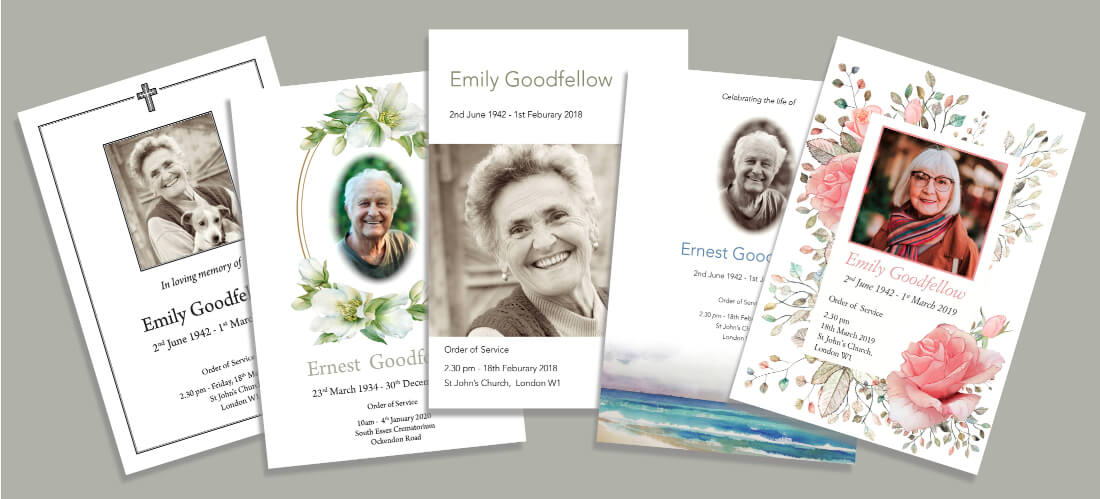
Creating a funeral Order of Service is usually simpler than families expect once the shape of the ceremony is clear. In most cases, it is a small printed booklet or folded card that sets out what will happen, in what order, and who is taking part. It gives mourners something practical to follow during an emotional day, and it often becomes a keepsake afterwards.
When we help families at Mears Family Funerals, we usually start with the same essentials, the full name of the person who has died, the date of the service, the venue, the officiant’s name, and the running order. From there, we build in hymns, readings, tributes, committal details and any closing information that will help guests feel prepared and included.
What an Order of Service is and why it matters
An Order of Service is the guide to the funeral ceremony. It tells guests what is happening and when, so they can take part without uncertainty. At a time when people may already feel anxious about saying the wrong thing or not knowing what to expect, that structure matters.
A well-prepared Order of Service helps in several ways:
- it sets out the sequence of the ceremony clearly
- it names hymns, songs, readings and speakers
- it shows when the congregation is expected to stand, sit, sing or reflect
- it confirms practical details such as the location of the committal or wake
- it gives family and friends a lasting memento of the day
There is no set format for an Order of Service. The content depends on the family’s wishes, the venue, and whether the funeral is religious, non-religious, burial-based or cremation-based. What matters is clarity, accuracy and a tone that feels right for the person being remembered.
For many families, the booklet also becomes part of the memory box of the funeral, alongside flowers, condolence cards and photographs. That is why design matters too. Even a simple folded sheet can feel thoughtful and dignified if the wording is right and the layout is clean.
What to include in a typical UK funeral booklet
Most UK funeral booklets follow a familiar structure. Some are a single folded card with four pages. Others are an 8 page or 12 page booklet if there are several hymns, readings or photographs to include.
A typical Order of Service may contain the following:
Front cover
The front cover usually includes:
- the full name of the deceased
- dates of birth and death, if the family wishes
- the title, often “Order of Service” or “A Celebration of the Life of...”
- the date, time and location of the funeral
- a photograph or chosen image
The image might be a formal portrait, a favourite casual photograph, or something symbolic such as flowers, a landscape or a religious image.
Inside opening page
This page often gives a short welcome or a simple line such as:
“Please join the family after the service for refreshments at...”
It may also include the name of the officiant, minister, celebrant or priest.
Running order of the service
This is the main body of the booklet. It usually lists the ceremony in sequence, for example:
- Music on entry
- Welcome and opening words
- Hymn
- Opening prayer
- Reading
- Tribute or eulogy
- Reflection music
- Address
- Prayers
- Commendation
- Committal
- Closing words
- Music on exit
For a crematorium service, the committal often takes place at the end of the chapel service. For a burial, there may be one part of the service in church or chapel and a second part at the graveside.
Hymns and song words
If the family wants guests to sing, it is helpful to print the words, or at least the verses being used. Do not assume everyone knows them. If only selected verses will be sung, make that clear.
For recorded music, it is usually enough to list the title and artist. Full lyrics are not always needed unless the family wants guests to read along.
Readings and prayers
These may be religious or non-religious. Families often include:
- a Bible reading
- a poem
- a personal reading by a friend or relative
- the Lord’s Prayer
- a closing prayer or blessing
Check the exact wording with the officiant. Different Christian traditions in the UK may use slightly different versions of familiar prayers.
Tribute or eulogy details
Some families print the full tribute. Others simply list “Eulogy delivered by...” If several people are speaking, naming them in the booklet can help avoid confusion on the day.
Committal details
This section is especially important if the ceremony involves movement between locations. Guests may need to know whether:
- the burial follows immediately
- the committal is private
- only family are attending the graveside
- the cremation committal will happen during the chapel service
Closing information
The final page often includes one or more of the following:
- details of the wake or reception
- family thanks
- donation information in place of flowers
- a short message of appreciation
- a final photograph or meaningful quote
If the family is collecting for a charity, make sure the wording is exact and practical. If donations are being handled through us, we can help make that clear in the printed material.
How the format changes for burial, cremation and celebration of life
The structure and tone of an Order of Service often changes depending on the kind of funeral.
Burial services
A burial funeral may need two parts in the booklet, especially if the service begins in church and continues at the cemetery. In that case, we usually separate the running order into:
- Service in church or chapel
- Committal at the graveside
This helps guests understand that the ceremony is continuing elsewhere. It also helps with timing, especially if attendees are travelling in their own cars.
Cremation services
For crematorium services, the booklet is usually more compact because the ceremony often takes place in one venue and within a fixed time slot. This means the Order of Service should be concise and carefully timed. Longer tributes or multiple readings may need to be shortened or moved to a separate memorial gathering.
If the family is arranging a simple cremation or wants to understand different options, our guide to traditional and cremation service choices may be useful.
Celebration of life services
A celebration of life often has a more personal and less formal tone. It may be held in a crematorium, community venue, hotel, family home or other setting. The booklet may use headings such as:
- Welcome
- Memories
- Time for reflection
- Family tributes
- Closing thoughts
There may be more photographs, favourite sayings, lighter music choices and less formal wording. Even so, the same principle applies, guests need to know what is happening and when.
Where a later memorial event is being planned, some families also find it helpful to look at ideas for a memorial service package.
A simple funeral Order of Service template families can follow
If you are looking for a practical funeral Order of Service template in the UK, this structure works well for many services and can be adapted for religious, traditional or non-religious ceremonies.
Page 1, Front cover
Full name of the deceased Dates of birth and death “Order of Service” Date, time and venue Photograph or chosen image
Page 2, Welcome
Name of officiant A short line of welcome or family message
Pages 3 to 6, Running order
Music on entry Opening words Hymn or song Reading Eulogy or tribute Poem or second reading Reflection music Prayers or quiet reflection Committal Closing words Music on exit
Page 7, Thanks and practical details
Thanks from the family Details of refreshments or wake Charitable donations information, if applicable
Page 8, Back cover
A final photograph, poem, verse or simple farewell message
For a church funeral, you may want more space for hymns and prayers. For a non-religious ceremony, you may replace prayers with reflections, personal memories or music. For a burial, add a note explaining whether the graveside committal is open to all guests.
If you are still deciding on the overall funeral arrangement, our overview of funeral services across our local areas explains how we support families with different types of ceremony.
Common mistakes to avoid before printing
The most common problems with an Order of Service are small, but they matter. Before anything goes to print, check the following carefully.
Names and dates
Make sure the full name is correct, including middle names if used. Confirm all dates, venue details and service times. A simple typing error on the front cover is easy to miss when several people have reviewed the draft quickly.
Hymn verses and readings
Check that the right verses are included, in the right order. Do not rely on memory. The same applies to poems and prayers. One missing line can throw off a reader during the service.
Speaker names
Confirm who is actually reading, speaking or giving the tribute. Last-minute changes are common, especially if someone feels unable to speak on the day.
Photo quality
A photograph that looks fine on a phone screen may print poorly. If possible, use a high-resolution original image rather than a screenshot or image taken from social media.
Spelling and punctuation
Read every page slowly, out loud if possible. Families often spot issues only after printing because they have been focused on the bigger decisions.
Timing and order
At crematoria in particular, timing is important. If the service has a fixed slot, the printed order should match what has been agreed with the officiant and funeral director.
Late changes
Avoid approving the final print version until all wording has been signed off. One late change to a hymn, reading or venue note can affect several pages.
When to ask for help with wording and design
Many families can draft the basic content themselves, but it often helps to ask for support once the service becomes more detailed. We regularly assist with:
- choosing a suitable layout
- keeping the tone respectful and personal
- checking spellings, names and sequencing
- coordinating wording with the officiant
- making sure the booklet matches the final ceremony plan
- arranging printing in time for the funeral
This is especially helpful where there are several contributors, multiple venues, or a mixture of religious and personal content. It can also make a real difference when decisions are being made under time pressure.
At Mears Family Funerals, we support families one to one through the practical details, including the Order of Service, venue coordination, timing and printing. Whether the funeral is a traditional service, a simpler committal, a memorial event, or part of wider arrangements such as Repatriation, Memorials, Wills & Probate, or planning for items such as Cremation Urns, we make sure the printed service reflects the day you want to create.
A clear and thoughtful Order of Service does not need to be elaborate. It simply needs to guide people well, honour the person who has died, and give the family confidence that everyone can follow the ceremony with ease.
Questions and Answers
What is usually written in a funeral Order of Service?
It usually includes the person's full name, dates, venue, date and time, entrance music, hymns or songs, readings, eulogy, prayers if used, and details of the committal or closing music.
Do all funerals in the UK need an Order of Service?
No. It is optional, but many families choose one because it helps guests follow the service and gives them something meaningful to keep afterwards.
Can an Order of Service be non-religious?
Yes. A non-religious Order of Service can include poems, personal tributes, favourite music and a simple running order without hymns or prayers.
How many pages should an Order of Service have?
Many are four or eight pages, depending on how much content you want to include. The right length depends on the number of hymns, readings, photos and notices.
Should we include a photo on the front cover?
Many families do. A clear, good-quality photo can make the booklet feel personal and comforting, but it is entirely a matter of preference.
Can Mears Family Funerals help with an Order of Service?
Yes. Mears Family Funerals can support families with funeral arrangements and practical details, including guidance on materials used during the service.