
The Future of the Funeral Sector in the United Kingdom
The Future of the Funeral Sector in the UK
May 2026 by Mears Family Funerals
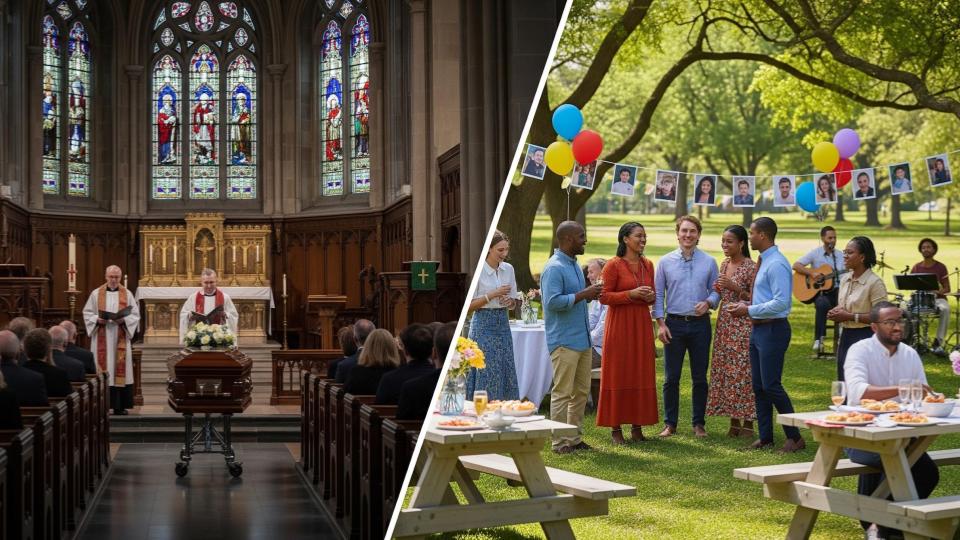
The UK funeral industry is undergoing a fundamental transformation driven by changing consumer attitudes, technological innovation, economic pressures, and environmental concerns. Direct cremation has surged from 3% of UK funerals in 2019 to 20% in 2024, while traditional funeral ceremonies are increasingly being replaced by personalised "celebration of life" events held separately from the cremation itself. This paper examines the key trends reshaping the sector, including the shift away from professional funeral directors, the rise of digital solutions, regulatory developments, and growing environmental consciousness. These changes present both challenges and opportunities for the industry, with significant implications for funeral professionals, consumers, and the broader bereavement services landscape.
Introduction
Funerals represent a fundamental human ritual, yet the UK's approach to death and dying has transformed dramatically over recent decades. The funeral sector, historically characterised by traditional ceremonies overseen by professional undertakers, is experiencing what industry experts describe as "seismic changes". Between 2019 and 2024, direct cremation demand increased dramatically, while cremation as a whole now accounts for 79% of all UK deaths - a 44% increase over the last 60 years. Simultaneously, consumer expectations have shifted: 77% of respondents in recent surveys stated they did not require professional help to arrange farewell events, and 54% prioritised reducing stress and complexity for their families[5].
These shifts are reshaping the industry's structure, economics, and regulatory environment. Understanding these trends is essential for funeral professionals adapting to new market conditions, policymakers considering regulation, and consumers making informed choices about end-of-life planning.
The Rise of Direct Cremation and Simplified Funerals
Market Transformation
The most striking change in UK funeral practices is the exponential growth of direct cremation. Between 2019 and 2024, direct cremation surged from just 3% to 20% of all UK funerals, demonstrating unprecedented market acceleration. Within the funeral planning market specifically, direct cremation now dominates with 60–62% of all plan sales, compared to traditional funeral plans. Industry analysts predict that demand for direct cremation will soon exceed that for burials.
This trend is being driven by multiple interconnected factors. The COVID-19 pandemic accelerated the adoption of simplified funerals, but more fundamentally, generational and cultural shifts have normalised direct cremation as a legitimate and preferable option. The reduced complexity, lower stress for bereaved families, and significantly lower costs make direct cremation particularly appealing. The average cost of a basic funeral in the UK reached £4,285 in 2025, while direct cremation options are substantially cheaper, making the financial argument increasingly persuasive for cost-conscious families.
Changing Funeral Practices
The separation of cremation from the farewell event represents a radical departure from traditional funeral practice. Increasingly, the actual cremation is occurring in the background while families organise delayed "invitation-only" farewell events held in venues and locations of their choosing. This inversion of priorities reflects a fundamental shift: rather than mourning at crematoriums or cemeteries, families now stage personalised celebrations of life in familiar, comfortable settings - restaurants, community halls, heritage venues, or even private homes.
This separation also extends the period between death and farewell, allowing families adequate time to plan meaningful events rather than operating under the pressure of fixed funeral dates. This flexibility caters to modern family structures where relatives may be geographically dispersed and require time to travel or coordinate schedules.
The Role of Ashes and Meaningful Disposition
Shift in Focus
An emerging characteristic of future funerals is the increasing focus on the ashes rather than the casket or coffin. For decades, formal burial of ashes in cemetery plots has declined steadily. Now, this trend is reversing - but with a crucial difference. Rather than formal cemetery placement, families are seeking creative, personalised ways to scatter, store, or memorialise ashes. Families now want to "express their life through the ashes' final resting place," with 52% of survey respondents prioritising this aspect. This might involve scattering ashes at meaningful locations, incorporating them into jewellery, storing them at home, or creating family memorial sites away from traditional cemeteries.
This represents a profound shift in how bereaved families conceptualise memorialisation - moving from institutional to personal, from formal to intimate, from geographic to symbolic.
The Declining Role of Traditional Funeral Professionals
Market Consolidation and Exit
A significant consequence of sector transformation is the changing role and viability of funeral professionals. The research suggests that there will be "fewer funeral directors and celebrants in the future," with traditional funeral services potentially becoming more expensive as the market contracts. This dynamic creates a vicious cycle: as demand for professional services declines, fixed costs are distributed across fewer services, pushing prices higher, which in turn drives more consumers toward direct cremation and DIY arrangements.
The regulatory environment has accelerated these changes. Following Financial Conduct Authority (FCA) regulation of funeral planning in 2022, 17% of independent funeral directors exited the funeral plan market - compared to just 3% pre-regulation. This represents a dramatic consolidation, with market power shifting decisively toward large chain operators and remote providers. Smaller, independent funeral directors face particular challenges in adapting to new regulatory requirements while competing against well-resourced national firms.
Market consolidation is already evident in 2024–2025, with major corporate entrants like the Co-operative Group entering the direct cremation market with significant media spend and brand recognition. Such competition threatens smaller providers and established market leaders like Pure Cremation, intensifying pricing and customer acquisition pressures.
The Professionalism Paradox
Interestingly, this market shift creates a paradox: as the sector contracts, funeral professionals who remain may become increasingly specialised. Rather than managing routine cremations, they may focus on complex bereavement support, estate management, or unique ceremonies for clients with specific religious, cultural, or personal requirements. The commoditisation of funeral services may ultimately enhance the value of genuine professional expertise and personal care.
Environmental Consciousness and Green Funerals
Sustainability as a Market Driver
Environmental concerns are increasingly influencing funeral choices. Cremation, while energy-intensive, can be positioned as environmentally preferable to traditional burial when approached strategically. Modern crematoriums employ filtration technology to capture harmful emissions, recover heat for building efficiency, and operate with high-efficiency equipment. A direct cremation without mourners present creates a notably lower carbon footprint than a traditional funeral involving multiple vehicle journeys, embalming, and headstone production.
Beyond cremation, the UK funeral industry is embracing genuine green alternatives. Natural burial grounds, which allow families to bury loved ones in conservation areas using biodegradable coffins made from sustainable materials such as willow, bamboo, FSC wood, or cardboard, are gaining popularity. Some providers now offer carbon offset schemes that plant trees to counterbalance cremation emissions. The potential legalisation of water cremation in the UK could further expand eco-friendly options.
Government environmental policy increasingly pressures the sector toward sustainability. Public sector bereavement services face mandates to offer greener alternatives, and market leaders are responding by making environmental credentials a competitive advantage.
Digital Transformation and Technology
Online Funeral Planning and Services
The funeral sector is rapidly digitising. Online funeral planning platforms now allow families to arrange cremations or burials remotely without in-person visits to funeral directors. This development serves multiple constituencies: cost-conscious consumers seeking transparency, geographically dispersed families managing arrangements from distance, and younger, digitally-native generations expecting online transaction capabilities across all services.
Virtual Memorials and Hybrid Ceremonies
Live streaming of funeral ceremonies has become commonplace, particularly since the pandemic normalised remote participation in significant life events. Virtual memorial pages and online books of remembrance allow families dispersed across the UK or internationally to participate in grieving and remembrance. These platforms also reduce paper consumption compared to traditional memorial cards and ceremony programmes.
Digital Legacy Management
An emerging frontier is digital legacy management - services that help families manage or close deceased persons' social media accounts, email addresses, cloud storage, and other digital assets. As populations become increasingly digitally embedded, funeral service providers are expanding their offerings to encompass this dimension of end-of-life management.
Transparency and Consumer Empowerment
Digital channels are also enabling unprecedented pricing transparency. Online platforms display clear, upfront funeral costs, allowing consumers to compare options and make informed decisions without the traditional opacity that characterised funeral director pricing. This transparency is shifting power dynamics in the sector, forcing providers to compete on price and service quality rather than information asymmetry.
Regulatory Landscape and Consumer Protection
FCA Regulation and Market Restructuring
The Financial Conduct Authority's regulation of funeral planning, implemented post-2022, has fundamentally restructured the sector. By bringing funeral plans into FCA oversight as financial products rather than simple service arrangements, regulation has:
Enhanced consumer protections through standardised disclosure requirements
Reduced the participation of small, independent funeral directors in the plan market
Accelerated consolidation toward larger, well-resourced providers
Created compliance costs that smaller operators struggle to absorb
Plan sales initially declined to approximately 150,000 in 2023 but recovered to around 185,000 in 2024, indicating market stabilisation post-regulation. However, the distribution of sales has fundamentally changed, with market power concentrating among largest firms and remote providers.
Emerging Regulatory Opportunities
Future regulatory frameworks may address additional areas currently operating in a less-structured environment. Potential developments include:
Standardisation of natural burial ground management and environmental standards
Licensing or accreditation schemes for digital funeral services
Consumer protection frameworks for online cremation and burial arrangements
Standards for digital legacy management services
Demographic Drivers and Sustained Demand
An Ageing Population
Despite the contraction of traditional funeral market segments, overall demand remains robust. The UK's ageing population provides sustained market volume. With over 1.75 million funeral plans already in place among the older generation, and over 184,000 new plans taken out in 2024, the sector anticipates sustained growth driven by demographic trends. The Association of Funeral Planning Professionals predicts this growth trajectory will continue as the proportion of elderly individuals continues to increase.
However, this volume growth masks profound service model transformation. More funerals will occur, but fewer will be traditional services managed by professional funeral directors.
Economic Challenges and Opportunities
Cost Pressures and Market Dynamics
The UK funeral sector faces significant economic headwinds. Public sector bereavement services operate under strict budget pressures, limiting investment in infrastructure and technology upgrades. Rising energy costs directly impact crematorium operations. Inflation has steadily increased overall funeral costs - a 3.5% increase from 2024 to 2025 alone.
These pressures incentivise cost-conscious consumers toward direct cremation and simplified services, creating a self-reinforcing cycle of market contraction for traditional funeral services. Traditional funeral directors face margin compression as they compete against low-cost, high-volume direct cremation providers.
Market Opportunities for Adaptation
Conversely, several opportunities emerge for forward-thinking funeral professionals:
Celebrant and ceremony services: As families separate cremation from farewell events, demand may increase for specialist celebrants, event coordinators, and personalised ceremony designers
Bereaved care and counselling: Funeral professionals may expand into trauma support and counselling services, positioning themselves as holistic bereavement specialists rather than merely logistical providers
Venue management and partnerships: Funeral directors might develop partnerships with hospitality venues, heritage sites, and community spaces to facilitate farewell ceremonies
Digital and legacy services: Funeral firms might expand into digital estate management, social media tribute pages, and online memorialisation to serve modern consumer expectations
Environmental specialisation: Funeral professionals with expertise in green funerals, natural burials, and carbon-neutral options may differentiate themselves as specialist providers
Cultural and Generational Shifts
From Solemnity to Celebration
The fundamental shift in funeral culture - from sombre, ritualised mourning ceremonies to "celebrations of life" - reflects generational attitudes toward death and grieving. Younger, digitally-native generations and secular populations increasingly view traditional funerals as optional rather than essential. The pandemic accelerated this cultural shift by forcing innovation when traditional ceremonies became impossible.
Personalisation and Individualisation
Contemporary funerals increasingly reflect individual personalities, values, and life stories rather than conforming to religious or cultural templates. This emphasis on personalisation creates opportunities for truly bespoke funeral services but challenges the standardised, efficient models that characterise contemporary funeral operations.
Diverse and Multicultural Considerations
The UK's increasingly diverse population includes communities with varied funeral traditions and requirements. Funeral professionals must navigate Hindu cremation rituals, Islamic burial requirements, Jewish mourning traditions, and secular/humanist approaches simultaneously. This diversity requires flexibility, cultural competence, and multi-faith knowledge.
Challenges and Vulnerabilities
The Smaller Funeral Director Crisis
Perhaps the most critical emerging vulnerability is the viability of smaller, independent funeral directors. Caught between rising regulatory compliance costs, competition from corporate chains and remote providers, and declining demand for traditional services, many independent operators may be forced to exit the sector. This consolidation may disadvantage rural communities and create "funeral deserts" where professional services become geographically inaccessible.
Service Quality and Consumer Protection Gaps
As the sector shifts toward online, remote, and simplified services, ensuring quality and protecting vulnerable consumers becomes more challenging. Bereaved families making end-of-life arrangements while grieving are vulnerable to poor service or exploitation. The move away from regulated professional funeral directors creates gaps in consumer protection, particularly for families unfamiliar with cremation processes or unable to navigate complex digital platforms.
The Professionalism Paradox
As professional funeral directors become fewer and less central to funeral arrangements, the sector risks losing accumulated expertise in managing complex logistics, cultural requirements, and sensitive human relationships. Future generations may lack the knowledge and capability to manage non-standard or complicated arrangements.
Future Scenarios and Implications
Scenario 1: Continued Market Bifurcation
In this scenario, the sector becomes increasingly polarised. High-volume, low-cost direct cremation providers dominate the mass market, while specialist funeral professionals serve niche markets: complex religious ceremonies, premium "celebration of life" events, and bereaved care services. Independent funeral directors either consolidate into larger chains or specialise narrowly. This scenario results in efficient, cost-effective service for most consumers but a potential disadvantage for those with non-standard needs.
Scenario 2: Digital Disruption and Disintermediation
In this scenario, digital platforms increasingly disintermediate funeral professionals entirely. Families arrange cremations through online platforms, purchase memorial services digitally, and coordinate farewell events through event-planning apps. Funeral directors transition into narrow specialist roles or disappear entirely. This scenario maximises consumer choice and cost-effectiveness but risks depersonalisation and creates welfare concerns for vulnerable bereaved individuals.
Scenario 3: Professional Adaptation and Specialisation
In this scenario, funeral professionals successfully adapt by repositioning as holistic bereavement specialists rather than mere logistical coordinators. They develop expertise in cultural and religious ceremonies, personalised memorialisation, digital legacy management, and grief counselling. The sector shrinks in volume but increases in specialisation and value-added services. This scenario maintains professional expertise and quality control but risks creating services accessible primarily to affluent consumers.
Recommendations for Stakeholders
For Funeral Professionals
Embrace digital transformation and online service delivery to meet consumer expectations
Invest in specialisation: develop expertise in non-traditional ceremonies, grief counselling, or environmental practices
Build partnerships with venues, event coordinators, and technology providers to adapt business models
Maintain professional standards and consumer protection as competitive advantages
Prioritise cultural competence and multi-faith expertise
For Policymakers and Regulators
Monitor and address potential consolidation harms and the emergence of "funeral deserts"
Extend consumer protection frameworks to digital and remote funeral services
Consider regulatory standards for natural burial grounds and environmental practices
Support training and professional development for funeral professionals adapting to new market conditions
Ensure vulnerable consumer populations retain access to professional guidance and support
For Industry Bodies and Associations
Facilitate knowledge-sharing about digital transformation and business model innovation
Advocate for balanced regulation that protects consumers without crushing small providers
Develop standards for emerging services: digital legacy management, virtual memorials, and green funerals
Support professional education and specialisation development
Conclusion
The UK funeral sector stands at an inflection point. Direct cremation's explosive growth, the separation of cremation from farewell ceremonies, digital transformation, environmental consciousness, and regulatory change are fundamentally reshaping how UK families manage death. Traditional funeral directors and formal ceremonies remain important but are no longer dominant. Simultaneously, an ageing population ensures sustained demand for funeral services in some form.
The future funeral sector will likely be smaller in transaction volume but more specialised, more digital, more environmentally conscious, and more personalised than its predecessor. Success will reward funeral professionals who adapt proactively—embracing digital tools, specialising in distinct niches, developing cultural competence, and positioning themselves as genuine bereavement specialists rather than mere logistical coordinators.
The challenge is ensuring this transformation benefits consumers through innovation, choice, and cost-effectiveness while maintaining protection for vulnerable individuals and preserving professional expertise. Managing these tensions will define the future funeral sector in the United Kingdom.