
How to Choose the Right Funeral Director for Your Family
How to Choose the Right Funeral Director
for Your Family
29th September 2026 by Mears Family Funerals
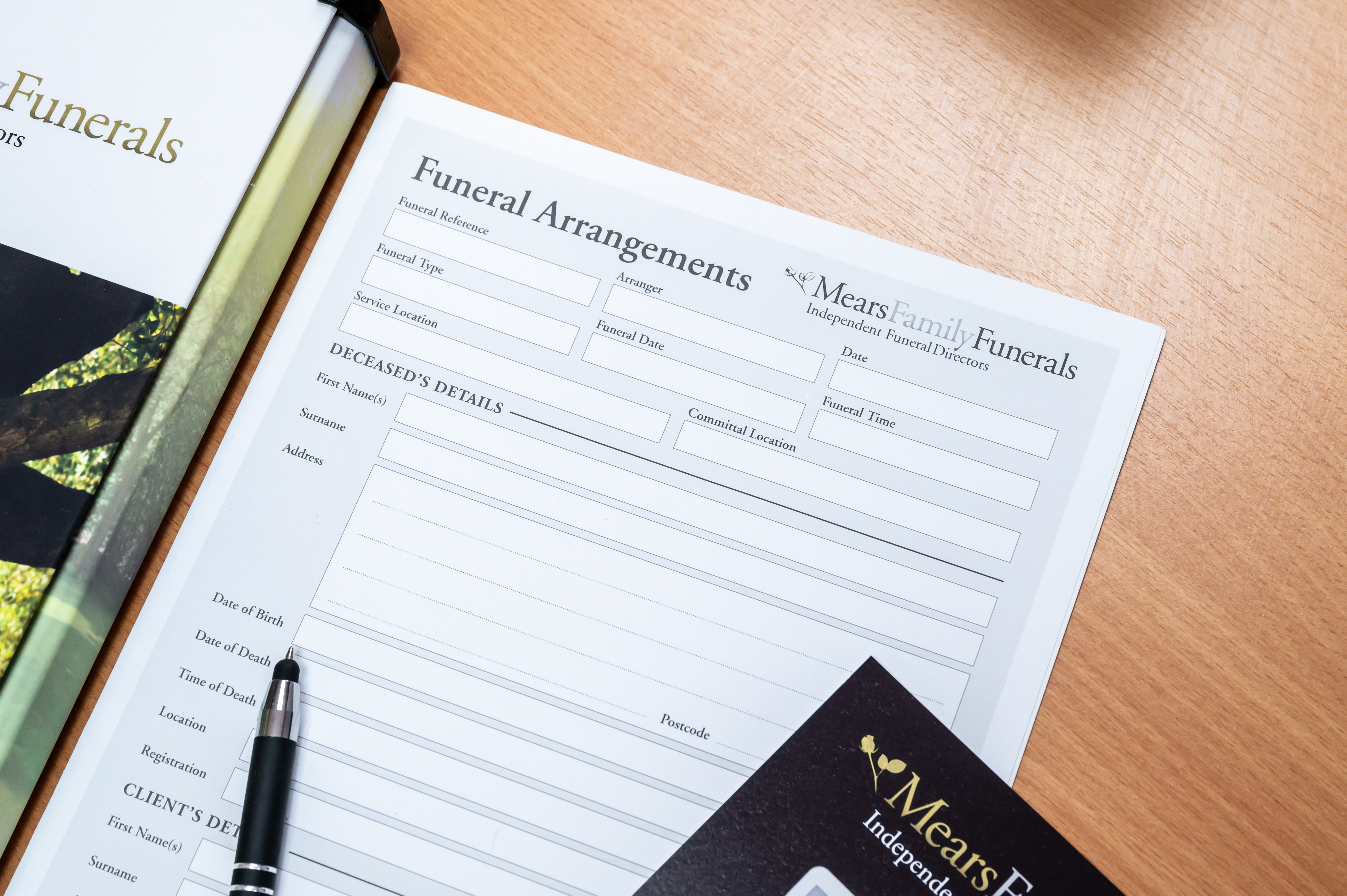
Choosing the right funeral director comes down to trust, clarity and the feeling that your family is being looked after properly. At a time when decisions need to be made quickly, you need someone who can guide you through the practical steps, explain your options in plain English, and carry the responsibility with care.
At Mears Family Funerals, we believe the right choice is a funeral director who is open about costs, easy to reach, respectful in every detail, and able to support you from the first call through to the funeral itself and beyond. Whether you need a simple cremation, a full church service, help with Repatriation, or support with Memorials later on, it helps to know exactly what to look for.
What a funeral director does from the first call
A funeral director’s role starts much earlier than many people realise. Usually, the first call happens soon after a death, when families are unsure what needs to happen next. At that point, we help with the immediate practical steps and explain what documents and decisions will be needed.
If a loved one has died at home, in a hospital, in a hospice or in a care home, the first process is usually to bring them into our care. We arrange respectful transportation to our Care Centres and explain when you may be able to visit the Chapel of Rest, if that is something your family wants. We also talk through what happens with the Medical Certificate Cause of Death and registration of the death, so you know what order things need to happen in.
From there, a funeral director helps organise the whole funeral process. That can include:
- collecting and caring for the person who has died
- advising on registration and the documents needed for burial or cremation
- arranging appointments to discuss the funeral
- helping choose between burial, cremation or Direct Cremation
- booking the cemetery, crematorium, church or other venue
- arranging vehicles, coffins or Cremation Caskets
- preparing the Order of Service
- organising flowers, notices and music
- supporting family visits to the Chapel of Rest
- coordinating the day itself so the service runs smoothly
Just as important is the emotional side of the role. Families often need someone calm and experienced who can explain things gently, repeat information when needed, and make sure nothing is missed. We find that having one point of contact can make a difficult time feel much more manageable.
Which services you may need to arrange
Every funeral is different, and the right arrangements depend on the wishes of the person who has died, the needs of the family, and the budget available.
For many families, the first decision is between burial and cremation. Burial involves choosing a cemetery, confirming whether there is an existing grave or whether a new plot is needed, and checking local cemetery rules. Cremation involves selecting a crematorium, deciding whether there will be a service beforehand, and making choices about ashes afterwards, including Cremation Urns or keepsakes.
Some families want a fully personal service. Our Bespoke Funerals are designed around the individual, whether that means a religious ceremony, a non religious celebration of life, a favourite route, special music, or a Traditional Horse Drawn Funeral. Others want a simpler arrangement with essential services included and fewer extras, which is where a Basic Funeral may be the right fit.
Direct Cremation is another option many families consider. This is an unattended cremation without a service at the crematorium. It can suit families who want simplicity, or those who plan to hold a separate memorial at another time and place.
You may also need to think about related items and services, including:
- floral tributes
- printed or digital Order of Service sheets
- newspaper notices or online announcements
- memorial gatherings after the funeral
- ashes containers such as Cremation Urns
- keepsakes such as Fingerprint Jewellery or Ashes into Glass
If you are arranging from a distance, you may also want to know whether meetings can be handled remotely. We know that not every family can attend in person, which is why arranging funeral details over the phone can be an important part of the support offered.
How to compare funeral directors with confidence
When you are comparing funeral directors, it helps to look beyond the brochure or price list. The real question is how the service will feel for your family from the first conversation onwards.
Start with communication. Are calls returned promptly? Are questions answered clearly? Are you given direct explanations of what is included, what is optional, and what happens next? During bereavement, good communication matters as much as any physical service.
Local support is also important. A funeral director with established branches and local knowledge can help with churches, crematoria, cemeteries and community venues in the area. If being able to visit in person matters to you, it is worth checking where our local branches are open and available to support families.
You may also want to ask about facilities. Not every provider has the same standards of care or the same access to private visiting spaces. Families often appreciate knowing whether there is a Chapel of Rest, where their loved one will be cared for, and whether the business has dedicated Care Centres.
Another key point is continuity. Some funeral directors hand families between departments or different staff members. Others provide one person to manage arrangements from start to finish. At Mears Family Funerals, many families value one-to-one support from a local manager who understands the details of the funeral and can guide them throughout.
It is also sensible to ask practical questions such as:
- Who will look after our loved one, and where?
- Can we visit the Chapel of Rest?
- Who will conduct the funeral on the day?
- What choices do we have about coffins, vehicles and service style?
- Can you help with flowers, Order of Service and Memorials?
- Do you handle Repatriation if needed?
- What support is available after the funeral?
A funeral director should make these answers easy to understand, not difficult to obtain.
Understanding funeral costs and what is included
Funeral costs can feel confusing if they are not broken down properly. One of the most useful things a funeral director can do is separate their own professional charges from third-party fees.
The funeral director’s costs usually cover the services they provide directly. That may include bringing the person into care, care before the funeral, arrangement meetings, hearse or other vehicles, staff on the day, and administration.
Third-party fees, sometimes called disbursements, are costs paid to others on your behalf. These can include crematorium fees, cemetery fees, minister or celebrant fees, church charges, doctor’s fees where applicable under older arrangements, and newspaper notice charges. The exact items depend on the funeral chosen.
This distinction matters because two funerals that look similar at first glance may include different third-party costs depending on location, venue and choices made by the family. A burial, for example, may involve cemetery and grave purchase fees that do not apply to cremation. A Bespoke Funerals arrangement with printed stationery, limousines and special requests will naturally cost differently from a Basic Funeral or Direct Cremation.
Clear pricing helps families make informed decisions without pressure. We believe estimates should show what is included, what is optional, and what is payable to third parties. Tools such as a Funeral Price Estimator can also be very helpful, especially for people who are planning ahead or comparing different forms of service before making contact.
If you are reviewing costs, ask for a written estimate and check:
- which services are included as standard
- which items are optional
- which fees are third-party charges
- whether there may be extra charges for distance, timing or special requests
- when payment is due
That level of detail allows families to choose confidently and avoid surprises later.
When extra support matters most
Some families need more than funeral arrangements alone. In those situations, choosing a funeral director with wider support services can make a real difference.
Repatriation is one of the clearest examples. If someone has died abroad, or needs to be returned overseas from the UK, the process can involve airlines, consular paperwork, local authorities and strict documentation requirements. In the UK, the exact requirements depend on the destination country and whether the deceased is being received into or sent out of England, Scotland, Wales or Northern Ireland. Requirements can differ from wider European practice, so it is important to follow the rules that apply to the specific route and authority involved.
Support after the funeral also matters. Many families return later to arrange Memorials, whether that means a headstone, inscription or another permanent tribute. Others need guidance on practical matters that follow a death, including Wills & Probate or understanding how certain customs work if they are arranging a funeral for the first time.
Small details can carry a great deal of meaning too. Keepsakes such as Fingerprint Jewellery and Ashes into Glass can help families feel connected in a personal and lasting way. For those planning memorial events or attending services, practical information can also be reassuring, which is why Funeral Etiquette Guides are useful for many people.
Community support can matter as well. Families often want to know they are dealing with people who are present locally and involved beyond the day of the funeral. You can see that in the way we support local communities through our branches and events.
Choosing a funeral director is not about finding the most elaborate service. It is about finding the right care, the right guidance and the right level of support for your family. A good funeral director will explain your options clearly, treat your loved one with dignity, and stay alongside you through each stage, from the first call to the funeral itself, and on to the decisions that come afterwards.
At Mears Family Funerals, that is how we believe this work should be done.
Questions and answers
When should I contact a funeral director?
You can contact a funeral director as soon as a death has occurred, or earlier if you are planning ahead. They can explain the next steps and help you understand what needs to happen first.
Can a funeral director help if I do not know what type of funeral to choose?
Yes. A good funeral director will explain the options in plain language, including burial, cremation, Bespoke Funerals, Basic Funeral and Direct Cremation, so you can choose what feels right.
Will a funeral director explain costs clearly?
They should. Ask for a clear written estimate showing what is included, what is optional and which charges come from third parties. This makes it easier to compare services fairly.
Can a funeral director arrange Repatriation?
Some can. If a loved one needs to be brought to or from another country, ask whether the funeral director handles Repatriation directly and can manage the paperwork and travel arrangements.
Do funeral directors only arrange the funeral itself?
Not always. Some also help with Memorials, flowers, Order of Service, Cremation Urns, Cremation Caskets and other details, so families can manage more of the process in one place.