
Direct Cremation : Local Care vs. Click-and-Arrange
Local Care vs. Click-and-Arrange: A Guide to Choosing Between a Family Funeral Director and an Online Direct Cremation Provider
April 2026 by Mears Family Funerals
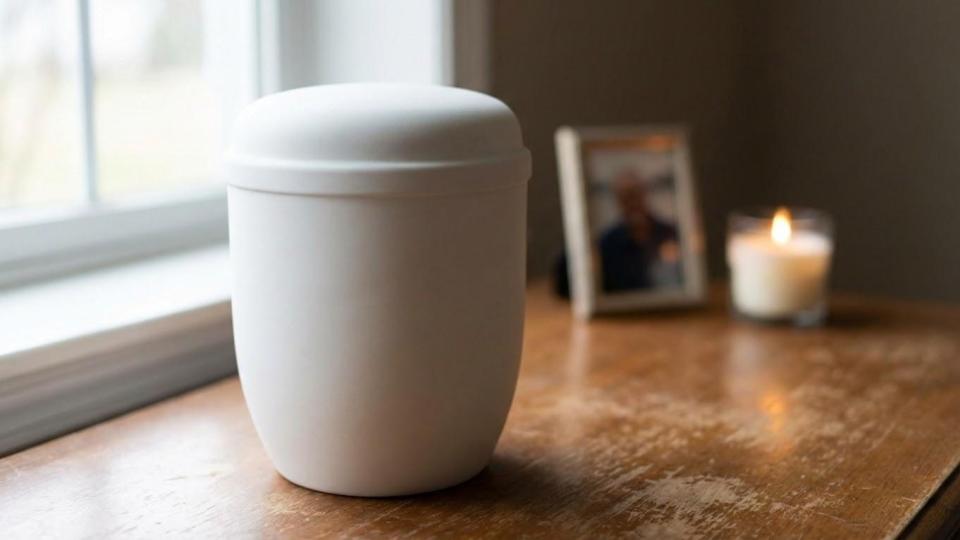
In recent years, the landscape of funeral planning has undergone a profound transformation. As societal preferences shift away from traditional, large-scale funerals, direct cremation has emerged as an increasingly popular, simple, and emotionally adaptable alternative. This service - which involves cremation without a formal funeral service beforehand - offers both affordability and the flexibility for families to hold a personalised memorial at a later time.
With this shift, however, a critical decision has arisen for families: should the cremation be arranged through a local, family-owned funeral director, or by using a national, online provider? While both deliver the same essential outcome, the journey, the level of support, and the fundamental meaning behind the arrangement can differ significantly. Understanding these nuances is essential for making the right choice during a difficult time.
What Is Direct Cremation?
At its core, direct cremation is the most streamlined funeral arrangemente. It involves three key stages:
Collection and Transfer: The deceased is collected from the place of death (hospital, care home, or private residence).
Cremation: The cremation is carried out, typically without any family present or service preceding it.
Return of Ashes: The ashes are returned to the family, allowing them to arrange a memorial service, wake, or scattering ceremony on their own terms, free from the time constraints and formality of a traditional funeral.
However, the quality of care and the emotional experience during the arrangement process are not standardised, and this is where the two service models diverge.
The Local, Family-Owned Funeral Director: The Personal Touch
Choosing a local funeral director means engaging with a business that is typically deeply embedded within the community. These businesses are often run by families who have served multiple generations, fostering an approach built on continuity, reputation, and genuine local knowledge.
The Cornerstones of Local Care:
1. Personal Connection and Trust:
When you walk into a local funeral home, you are generally met by the director or a dedicated member of their immediate team. This interaction is face-to-face and focuses on building a relationship. They take the time to listen, understand the unique circumstances of the passing, and guide you through the process with tailored empathy. This singular point of contact ensures consistency and emotional continuity, which can be profoundly reassuring for grieving families.
2. Flexibility and Tailored Care:
Local funeral directors excel at accommodating individual requests, even within the framework of a 'simple' direct cremation. Unlike larger corporate entities, they often have the autonomy to be flexible. This could include:
Allowing a brief period for the family to visit their loved one in the chapel of rest.
Accommodating specific collection or delivery times.
Adding small, meaningful touches, such as including a personal note or memento with the deceased. This ability to customise means the service, while simple, never feels entirely impersonal.
3. Accountability and Transparency:
The local funeral director's reputation is their most valuable asset, tied directly to the community they serve. This local accountability creates a strong incentive for maintaining impeccably high standards of care, professionalism, and ethical pricing. Families know precisely where the business is located, who is managing their loved one’s care, and who to contact directly if they need support or have concerns.
4. Supporting Local Businesses:
Choosing a local, independent provider has a broader socio-economic impact. It supports independent employment, keeps revenue within the local economy, and helps sustain a vital community service that often contributes to local charities and initiatives.
The National, Online Provider: Convenience and Cost Efficiency
National providers operate on a radically different operational model, designed for efficiency, scale, and digital convenience. Their services are typically arranged entirely online or via a national call centre, positioning them as the 'click-and-arrange' option for end-of-life services.
The Hallmarks of the Online Model:
1. Convenience and Speed:
The primary draw of the online model is its ease and speed. Arrangements can often be completed in minutes, 24/7, without the need for an in-person meeting. This suits families who are comfortable managing sensitive arrangements digitally or who prioritise a swift, frictionless administrative process.
2. Lower, Standardised Pricing:
Online providers can often promote the lowest prices in the market. This cost efficiency is achieved through high volume, streamlined logistics, and the elimination of the costs associated with maintaining local funeral homes, chapels of rest, and dedicated staff for in-person consultations. Packages are clearly defined and fixed, with minimal opportunity for costly extras.
3. Consistency Across Locations:
Because these providers operate a national network, the service structure is standardised. While this may result in a less personal experience, it guarantees that the logistics will follow a predictable, corporate structure, regardless of the geographic location of the deceased. This consistency can offer a form of logistical reassurance.
4. The Trade-Off: Less Personal Interaction:
The efficiency of the online model comes with an inevitable trade-off: the experience is often more transactional. Families may interact with several different call-centre representatives rather than a single, dedicated funeral director. The focus is functional—on managing the logistics of the transfer and cremation—and the opportunity for personalised emotional support or customisation is significantly limited.
Key Differences at a Glance
Determining the Right Fit for Your Family
The choice between local care and national convenience hinges entirely on your family’s priorities during a period of grief. There is no single 'best' option, only the option that feels most appropriate for your circumstances.
Choose a Local, Family-Owned Funeral Director if:
You value personal support and emotional guidance from a single, dedicated professional.
You require flexibility for small, personal requests, such as viewing or specific handling of the deceased.
You feel reassured by face-to-face interaction and the knowledge that the provider is accountable to your local community.
You prioritise supporting a local, independent business.
Choose a National, Online Provider if:
Your absolute top priority is cost efficiency and achieving the lowest possible price point.
You value convenience and speed, preferring to arrange everything digitally without in-person meetings.
You prefer a highly streamlined, functional process and require minimal emotional interaction or customisation.
You are comfortable managing the entire memorial service yourself at a later date, without any input or support from the arranger.
A Final Thought: Simplicity with Dignity
Direct cremation is, by its very definition, a simple act of disposition. However, simplicity does not have to equate to a loss of dignity or an impersonal experience. Whether you opt for the community-based care of a local director or the streamlined efficiency of an online provider, the core objective remains the same: a respectful service that allows you the necessary emotional space.
Ultimately, the most important measure of the service is not just how the cremation is arranged, but how supported and reassured you feel while making the arrangements for your loved one.