
Registering a Death From 9 November 2026
Registering a Death From 9 November 2026
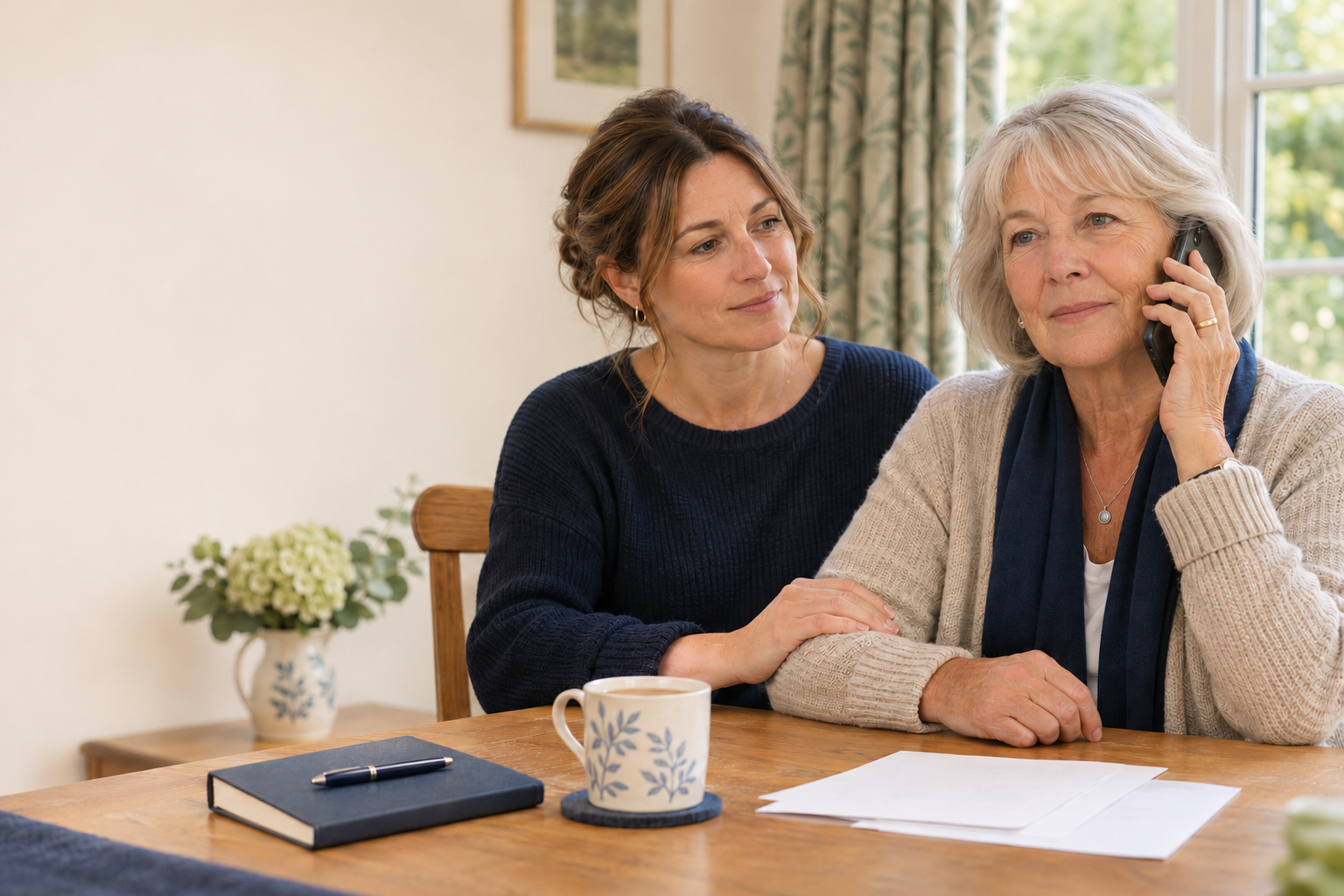
From Monday 9 November 2026, changes to death registration in England and Wales will introduce an official electronic register and allow councils to offer telephone appointments. For some families, this could mean being able to register from home, without an additional journey at a difficult time. In-person appointments will remain available, and local arrangements will determine which options you can choose.
Key points
Paper registers are being replaced by an official electronic register.
You will make a verbal declaration instead of signing the paper register.
Telephone registration may be available, depending on the council and your eligibility.
You can still register in person.
This does not introduce a nationwide online self-service registration system.
The medical examiner or coroner must still provide the necessary paperwork before registration.
Registration is free; certified death certificates cost extra.
Contact the council for the area where the person died to check its appointment arrangements.
The main change takes place behind the scenes. Instead of the official record being held in a paper register, it will be held electronically. You will still speak with a registrar, provide information about the person who has died and confirm that the details are accurate. The legal framework comes from the Data (Use and Access) Act 2025, which enables electronic registers and alternatives to the traditional handwritten signature. Families do not need to understand the legislation to complete the appointment; the registrar will guide them through the process.
At the end of the registration, you will be asked to make a verbal declaration that the information you have given is true to the best of your knowledge and belief. This replaces signing the paper register. It carries legal significance, so take your time when confirming names, dates and other details. If something does not sound right, or you are unsure about an answer, tell the registrar before the registration is completed. Removing the signature does not remove the importance of checking the record carefully.
Telephone appointments may offer welcome flexibility, particularly if travelling is difficult, you have caring responsibilities or you would feel more comfortable speaking from home. However, councils are not required to offer telephone registration from the first day. SAIF, the National Society of Allied and Independent Funeral Directors, has confirmed that availability will be decided locally. Before booking, ask the relevant register office whether it offers telephone appointments and whether that option is suitable for your circumstances.
For families in south London, a sensible starting point is the registration service for the borough where the death happened. Croydon Council, for example, explains that deaths occurring in Croydon should be registered through Croydon Register Office. Bromley gives similar advice for deaths within its borough. This is usually determined by the place of death, rather than the person’s home address. If your relative lived in one borough but died in a hospital in another, check which council covers the hospital before arranging an appointment.
The Croydon, Bromley and Southwark pages referenced here provide useful practical guidance, but the pages checked for this article do not confirm a telephone service starting on 9 November. Please contact the relevant council directly for its latest appointment options. If you already have an appointment, follow your confirmation instructions and ask the register office before changing your plans. Booking an appointment on a website also does not mean the death itself will be registered online: a separate online registration service is planned for a later stage.
Usually, a relative will register the death, although other people can qualify. Croydon’s guidance includes someone who was present at the death and the person making arrangements with the funeral director. Telephone registration involves additional considerations. Guidance published by Milton Keynes explains that a person registering by telephone as a relative must meet one of several conditions, such as having been present at the death, attending during the last illness, or living or being present in the district. Your registrar can explain how the rules apply to you.
If you live some distance away, explain this when you first contact the register office. You may qualify to register in another capacity, or an in-person appointment or declaration through another register office may be appropriate. You do not need to work out the legal terminology yourself. Tell the registrar your relationship to the person who died, where you live and whether you are arranging the funeral; they can advise on the available route.
The medical examiner’s role continues. Since September 2024, deaths outside the coronial investigation route have required independent medical examiner scrutiny before registration. This includes checking the cause of death and giving families an opportunity to ask questions or raise concerns about care. The November 2026 changes do not remove that safeguard. You must still wait until the necessary medical examiner or coroner paperwork is available to the registrar.
Local councils explain how this works in practice. Bromley says its register office will contact the family once the medical certificate has been received following medical examiner review. Croydon asks families to check that the register office has received the Medical Certificate of Cause of Death before booking. Following the council’s instructions can help avoid an appointment that cannot go ahead because documents have not yet arrived.
The usual five-day registration period remains. Department of Health and Social Care guidance explains that it starts when the registrar receives the notification of the cause of death. GOV.UK tells families to register within five days of receiving confirmation from the medical examiner’s office that they can proceed; weekends and bank holidays count. If you are worried about meeting the deadline, contact the register office promptly. Where a coroner is involved, follow the instructions given for that case.
It can help to gather a few details beforehand. Croydon recommends having information about the person’s full name, any maiden name, date and place of birth, address, occupation, and when and where they died. Details of a spouse or civil partner and your chosen funeral director may also be needed. A passport, birth certificate or marriage certificate can be useful for checking information if available. If something is missing, ask the register office what it needs rather than worrying that you must find every document before making contact.
Registering the death is free. Certified copies of the death certificate are charged separately: Southwark, Croydon and Bromley currently list the statutory charge as £12.50 per certificate. You may need certificates when dealing with banks, insurers or the estate. Ask the organisations concerned what they require before ordering several copies. If you choose a telephone appointment, check how certificates will reach you and allow for delivery time; an electronic register does not automatically mean you will receive a digital certificate.
There is another document you may hear called the green form: the certificate for burial or cremation. This is different from the death certificates purchased for financial or administrative matters. Bromley explains that it sends the green certificate electronically to the funeral director or cemetery office after the appointment, with separate arrangements for coroner cases. Your funeral director can help check that the necessary funeral paperwork has arrived.
You can begin discussing funeral wishes before registration is complete. Southwark Council confirms that funeral planning can begin beforehand, although the funeral itself usually takes place after registration and the necessary authorisation. This gives you an opportunity to talk through choices, ask about costs and consider what would feel appropriate for the person who has died.
After registration, ask about Tell Us Once. This service allows you to notify most government organisations through one report, reducing the number of separate conversations you need to have. Croydon explains that the registrar will provide a reference and instructions. Southwark also offers a bereavement support service to help families find relevant services and information about financial support.
There is no expectation that you will already know how registration works. Let the registrar know if you need something explained again, have difficulty using the available appointment options or are unsure what to do next. Your funeral director can also help you understand the steps ahead. Taking one task at a time, with clear guidance from the people supporting you, can make the arrangements feel more manageable.
Sources and useful local guidance: