
Choosing a Lasting Memorial For A Loved One
Choosing a Lasting Memorial For A Loved One
10th October 2026 by Mears Family Funerals
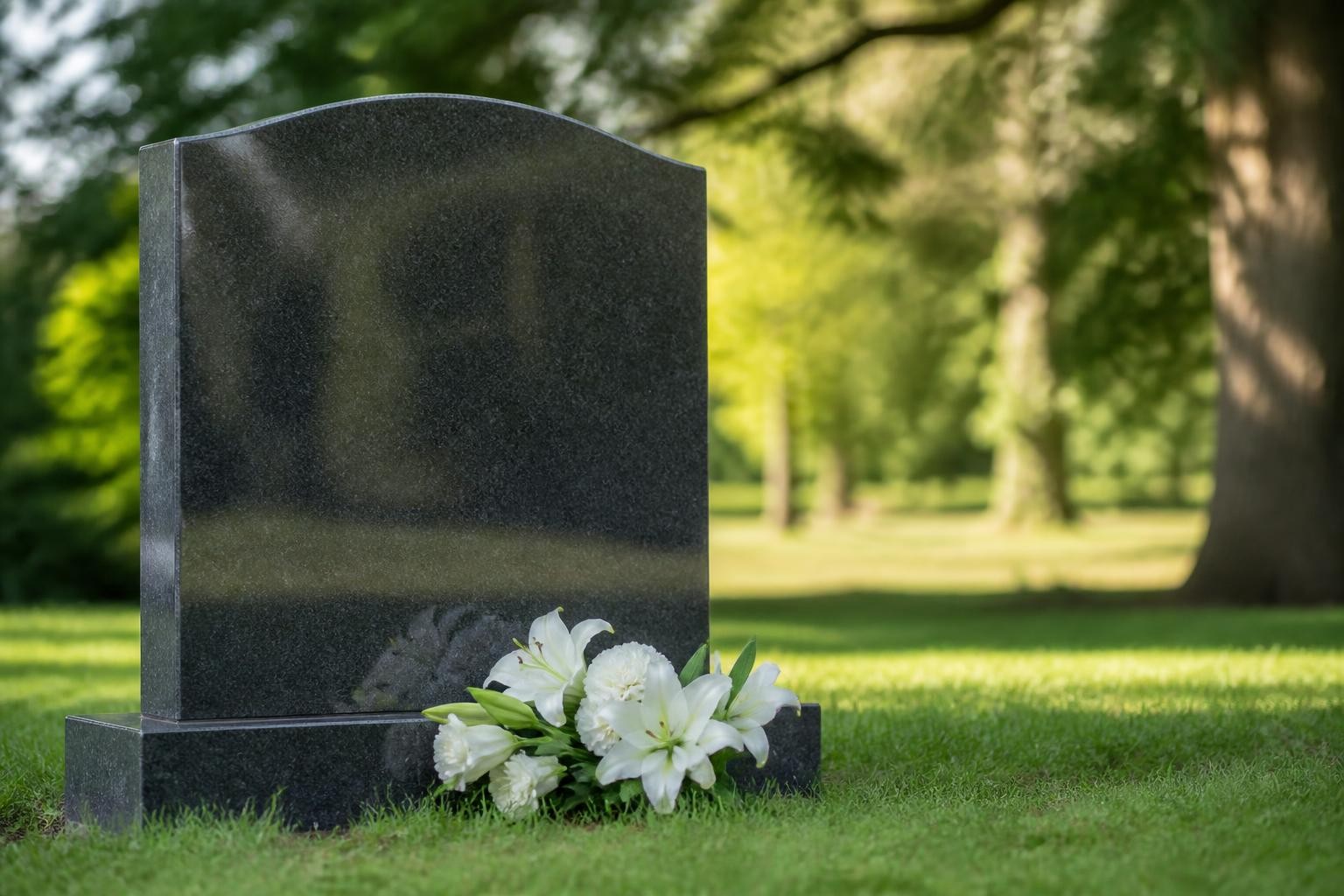
Choosing a memorial is one of the last practical decisions many families make after a funeral, and it often feels like one of the most important. A lasting memorial needs to feel right for the person who has died, suit the place where it will stand, and remain dignified for many years to come.
For many families, granite memorials are the most dependable choice. Granite offers strength, a wide range of colours and finishes, and a surface that holds lettering and ornament well over time. At Mears Family Funerals, we help families choose Memorials with the same care and one-to-one support we bring to funeral arrangements, whether you are planning after a burial, following a cremation, or making decisions in advance.
Why many families choose granite
A granite memorial is a permanent stone memorial made from natural granite, most often used for headstones, plaques, kerb sets and cremation memorials. Granite is formed under intense pressure, which gives it a dense structure and makes it especially suitable for outdoor use in the British climate.
The main reason families choose granite is durability. In a cemetery or churchyard, a memorial has to withstand years of rain, frost, sun, fallen leaves, bird droppings and general weathering. Granite is much less porous than many other stones, so it is less likely to absorb water and suffer surface damage over time. That makes it a practical long term choice.
Appearance matters too. Granite can be polished to a high shine, honed for a softer matt look, or finished in other ways depending on the style of memorial and the regulations of the burial ground. Black, grey and lighter speckled granites are common, but there are also richer reds, blues and greens, subject to availability and local rules. A polished dark granite often gives very clear contrast for inscriptions in white, silver or gold lettering.
Ease of care is another reason it is so widely chosen. Granite does not usually need intensive maintenance. In most cases, gentle cleaning with water and a soft cloth is enough. Families often appreciate that they can keep the memorial looking neat without specialist treatment.
The main types of memorial you can choose
There is no single memorial style that suits every family. The right choice depends on whether there has been a burial or cremation, the space available, the regulations of the cemetery or churchyard, and the look you feel is most fitting.
Headstones are the style most people think of first. They stand upright at the head of a grave and can be shaped in a traditional rounded top, an ogee, a heart, a book shape or a simpler rectangular design. A headstone may suit families who want a clearly visible memorial with room for names, dates, an inscription and perhaps a small motif such as flowers, a cross or a carved emblem.
Plaques are lower to the ground and can be used on graves, cremation plots or dedicated memorial areas. They are often chosen where a burial ground has stricter size rules or where a family prefers something more understated. A plaque can still include a thoughtful inscription and decorative detail, but in a more compact format.
Kerb sets frame the grave with stone edging and usually include a headstone at the top. Some families choose this style because it creates a defined memorial space that can sometimes include chippings, planting or a centre vase. Not every cemetery allows kerb sets, and many churchyards do not, so this is always something we check before any design work goes too far.
Cremation memorials vary more widely. Depending on the site, families may choose a small headstone, a tablet, a plaque, a pedestal, or a memorial in a garden of remembrance. Where ashes are kept at home or interred later, some families also choose related keepsakes such as Cremation Urns or Ashes into Glass, alongside a permanent outdoor memorial.
If you are arranging a funeral and memorial at the same time, it can help to think about the whole picture early on. Families who come to us for a Basic Funeral, Bespoke Funerals or Direct Cremation often ask what memorial options may follow, and we are happy to explain the likely choices from the start.
What affects the cost
The cost of a memorial is made up of several parts, and it helps to understand what you are paying for before you compare options.
The stone itself is one factor. Granite varies by colour, source, consistency and finish. Some granites are more readily available, while others are more distinctive and may cost more to obtain and work with. The size and thickness of the memorial also affect cost, as larger pieces require more material and more labour.
The design has a direct impact too. A simple polished headstone with a standard inscription will usually cost less than a more detailed design with shaped edges, hand carved features, photo plaques, additional flower containers or extensive ornament. Lettering is another element. The number of letters, the style of inscription, and whether the wording is painted, gilded or cut in a particular way all influence the final price.
Fixing and installation are important parts of the cost, not extras to overlook. A memorial should be fitted to current safety standards using an appropriate foundation and anchoring system. In the UK, reputable memorial masons generally work to recognised fixing methods and cemetery requirements, rather than simply bedding a stone in place and hoping for the best.
You may also need to pay cemetery or churchyard fees. These can include a permit fee, an inscription fee for an additional name on an existing memorial, or charges for the right to install a new stone. Those fees are set by the burial authority or church, not by us, and they vary from one place to another.
Rules, permissions and timing
Before a memorial can be made and installed, approval is usually needed from the authority responsible for the burial ground. In a local authority cemetery, this is generally the cemetery office or bereavement services department. In a churchyard in England, permission may be governed by diocesan churchyard regulations, and anything outside those rules may require a faculty from the diocesan chancellor.
This is one area where local rules matter greatly. One cemetery may allow polished black granite headstones up to a certain height, while another may restrict colour, finish, shape, kerb sets, photographs or ornament. Churchyards are often more restrictive than municipal cemeteries and may require a more natural appearance, such as honed or unpolished stone in muted colours.
The process usually starts with confirming who holds the Exclusive Right of Burial, or the deed to the grave where that applies. That person is normally the one who must sign the memorial application. If the registered owner has died, further paperwork may be needed before permission can be granted.
Timing depends on the type of grave and the local authority's rules. For a new burial grave, there is often a waiting period before a permanent memorial can be installed, to allow the ground to settle. In some cemeteries this is several months, and in others longer. Cremation plots and existing graves may have shorter lead times.
Once the design is agreed, the wording checked, and the permit approved, the memorial can be ordered, inscribed and scheduled for fitting. Delays can arise if a specific granite is out of stock, if the burial authority takes longer to approve the application, or if weather and ground conditions affect installation dates. We guide families through this process so there are no surprises.
How to choose wording and personal details
The most meaningful memorials are often the simplest. Names, dates and a short line of personal wording are enough to say something true and lasting. Some families choose a traditional phrase. Others prefer words that reflect character, faith, service, family role or a private expression of love.
When choosing an inscription, it helps to say the words out loud. If they sound natural when spoken, they usually read well on stone too. We encourage families to check spellings carefully, especially for full names, middle names, nicknames and dates. Once a memorial is inscribed and installed, correcting an error can be difficult and costly.
Symbols and decorative details can add meaning without making the design feel crowded. Common choices include floral carvings, religious symbols, hearts, books, stars, musical notes or emblems linked to military service or a profession. Some burial grounds allow ceramic photos or etched images, while others do not.
The finish of the stone also affects the tone of the memorial. A polished black granite headstone may feel formal and striking. A lighter grey or honed finish may feel softer and more traditional. The right option is the one that feels respectful to your loved one and suitable for the setting.
What to expect from installation and aftercare
A memorial should be installed carefully and safely. That begins with checking the grave location, confirming the permit, and preparing a proper foundation where required. The stone is then fixed using approved methods appropriate to the memorial type and the ground conditions. The aim is not only a neat appearance, but long term stability.
After installation, there may be checks by the cemetery or churchyard authority, either at the time of fitting or as part of routine inspection programmes. Many burial grounds carry out periodic memorial safety testing, particularly where older stones are present. This is one reason proper fixing matters so much from the outset.
Granite is relatively straightforward to care for. We usually recommend cleaning with clean water, a soft cloth and, if needed, a mild soap. Harsh chemicals, bleach, pressure washing and abrasive pads should be avoided, as they can damage lettering, paintwork or surface finish. Families should also check cemetery rules before placing items such as pots, solar lights or ornaments around the memorial.
Over time, additional inscriptions can often be added, for example when a second interment takes place in a family grave. Matching the original lettering style and layout is important, so it is best handled professionally.
If you would like to speak to someone in person, our branches across South East London, North Kent, Aylesbury and Southampton make it easier to get local support from a one-to-one manager. At Mears Family Funerals, and across The Steven Mears Group, we help families choose Memorials that are practical, respectful and made to last, so the tribute you place is one you can return to with confidence for many years ahead.
Questions and answers
How long do granite memorials last?
Granite is one of the most durable materials used for Memorials. With proper installation and occasional cleaning, it can remain in good condition for many decades.
Are there different colours of granite?
Yes. Granite Memorials are available in a range of colours and finishes. Availability may depend on supplier options and the rules of the cemetery or churchyard.
Do I need permission before a memorial is installed?
Usually, yes. Cemeteries and churchyards often require approval for size, design and wording before installation can go ahead.
Can a granite memorial be personalised?
Yes. Families can often choose inscriptions, lettering styles, motifs, photographs or decorative details, subject to local regulations.
When can a memorial be placed after a burial?
This varies by location. Some burial grounds ask families to wait while the ground settles, so the timing should be checked before ordering.
Our full range of Memorial can be seen at mearsfamilyfunerals.co.uk/memorials