
Armistice Day and Remembrance Sunday: History, Meaning & Observance
Armistice Day and Remembrance Sunday: History, Meaning & Observance
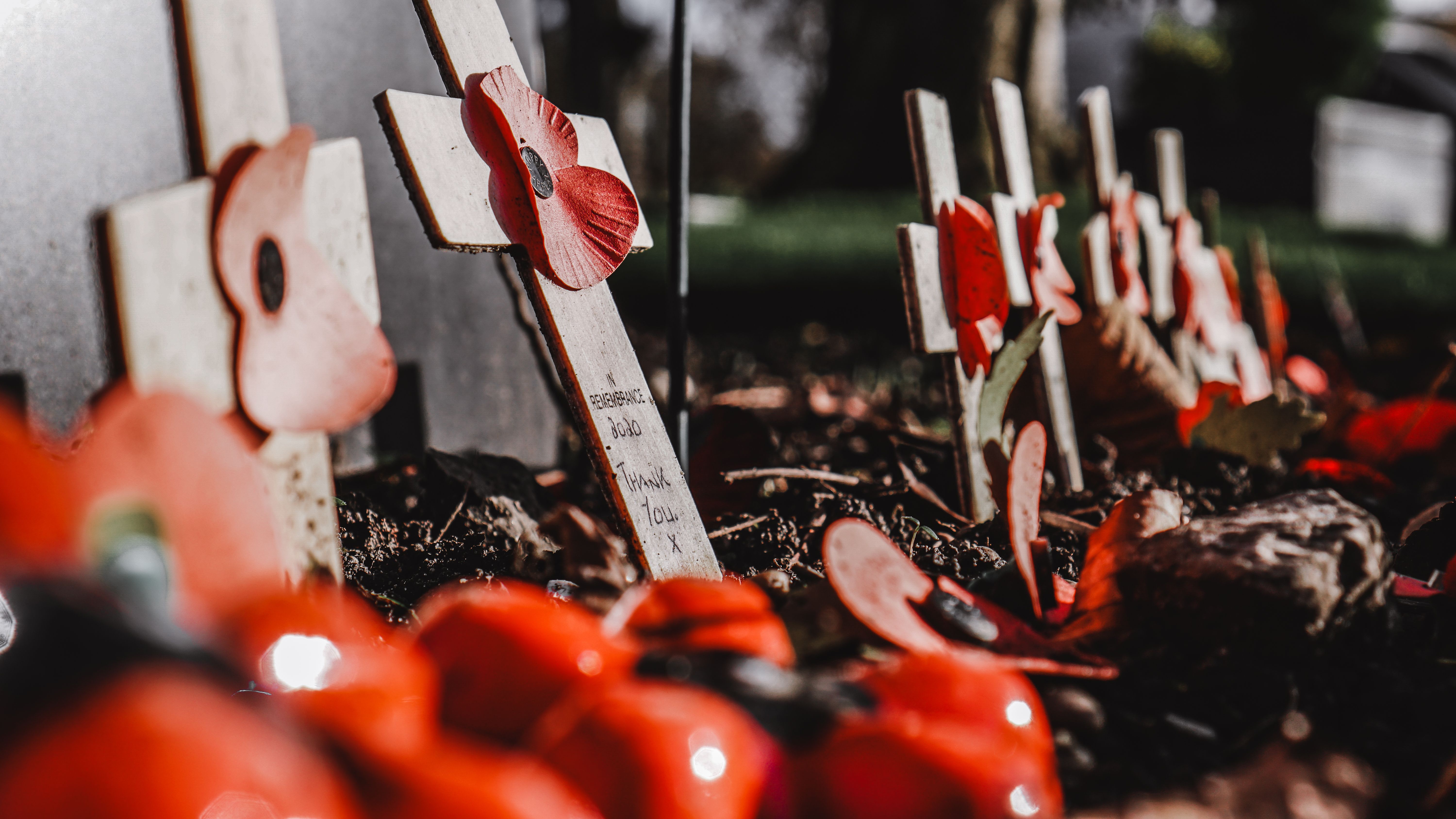
Every November, the United Kingdom pauses in solemn reflection. Across towns, cities, and rural villages, traffic slows, heads bow, and millions stand together in silent tribute. This annual period of national commemoration pays homage to the men and women who served, suffered, and sacrificed their lives in Armed Forces conflicts from the First World War to the present day.
While the red poppy and the two-minute silence are universal symbols across Britain, there is frequently confusion surrounding the two pivotal dates in November: Armistice Day and Remembrance Sunday. Though closely intertwined in purpose and spirit, each holds a distinct place in the national calendar, rooted in history, tradition, and formal observance.
Armistice Day and Remembrance Sunday
To understand Britain’s acts of remembrance, one must first appreciate the subtle yet significant operational and historical distinctions between Armistice Day and Remembrance Sunday.
Armistice Day is fixed to a specific calendar date: 11 November. It marks the exact anniversary of the agreement signed between the Allies and Germany that brought an end to hostilities on the Western Front in 1918. By tradition, the national focus on Armistice Day centres precisely on the 11th hour of the 11th day of the 11th month.
Observances on 11 November take place regardless of which day of the week it falls upon. Workers pause at their desks, shoppers stop in high streets, and brief outdoor ceremonies take place at war memorials, schools, and workplaces across the country.
Remembrance Sunday is observed on the second Sunday of November, which is the Sunday closest to 11 November. It is the principal national civic day of commemoration, structured around formal religious services, civic parades, and civic wreath-laying ceremonies.
The primary national focal point on Remembrance Sunday is the National Service of Remembrance held at the Cenotaph in Whitehall, London, attended by the Monarch, senior members of the Royal Family, political leaders, Commonwealth representatives, and thousands of veterans.
The Historical Origins of Remembrance
The origins of Armistice Day lie in the devastating conflict of the First World War (1914–1918). After four years of brutal warfare that claimed millions of military and civilian lives, an armistice was signed in a railway carriage in the Forest of Compiègne in France early on the morning of 11 November 1918. The agreement came into effect at 11:00 AM that day, bringing to an end the fighting on the Western Front.
The immediate reaction across Allied nations was a mix of intense relief, spontaneous celebration, and profound grief. Virtually every community in Britain had lost young men, leaving behind a nation in deep mourning.
The tradition of observing a national silence was instituted one year later, in November 1919, by King George V. Inspired by a suggestion from Sir Percy Fitzpatrick, a South African politician and author, the King issued a proclamation asking the public to join together in two minutes of silence at 11:00 AM on 11 November.
King George V wrote:"All locomotion should cease, so that, in perfect stillness, the thoughts of everyone may be concentrated on reverent remembrance of the Glorious Dead."
The response was overwhelming. Trams stopped, bustling trading floors froze, and crowds gathered silently in public squares. The two-minute silence quickly established itself as a sacred national tradition.
The Shift to Remembrance Sunday
Following the outbreak of the Second World War in 1939, the British Government decided that observing a silence on 11 November was impractical during wartime conditions due to civil defense considerations and emergency production needs. Instead, commemoration services were moved to the nearest Sunday, termed "National Remembrance Sunday."
After the conclusion of World War II in 1945, the British government sought a format that would encompass the victims of both World Wars. In 1946, it was formally agreed that Remembrance Sunday would be permanently fixed on the second Sunday in November, ensuring a unified civic commemoration.
However, in the mid-1990s, public appetite grew to restore the observance of the exact date of Armistice Day as well. Today, both days complement each other in honouring the fallen.
After the conclusion of World War II in 1945, the British government sought a format that would encompass the victims of both World Wars. In 1946, it was formally agreed that Remembrance Sunday would be permanently fixed on the second Sunday in November, ensuring a unified civic commemoration. However, in the mid-1990s, public appetite grew to restore the observance of the exact date of Armistice Day as well. Today, both days complement each other in honoring the fallen.
Symbols and Words of Commemoration
The red poppy is the universal symbol of Remembrance in Britain and across the Commonwealth. Its association with war dead stems from the fields of Flanders during World War I, where the delicate red flowers (Papaver rhoeas) were among the first plants to bloom in the churned-up soil of the battlefields.
Canadian doctor Lieutenant-Colonel John McCrae immortalized the image in his famous 1915 poem In Flanders Fields:
In Flanders fields the poppies blow
Between the crosses, row on row,
That mark our place; and in the sky
The larks, still bravely singing, fly
Scarce heard amid the guns below.
Inspired by the poem, American academic Moina Michael and French campaigner Anna Guérin championed the creation of artificial poppies to raise funds for war orphans and injured veterans. The Royal British Legion, formed in 1921, held its first "Poppy Appeal" that same year. Today, millions of poppies are distributed each autumn, raising vital funds to support serving personnel, veterans, and military families.
During services across the nation, specific literary passages are solemnly recited. Among the most enduring are:
The Exhortation (from Laurence Binyon’s 1914 poem For the Fallen):"They shall grow not old, as we that are left grow old:
Age shall not weary them, nor the years condemn.
At the going down of the sun and in the morning
We will remember them."The Kohima Epitaph (carved on the memorial to the 2nd Division in Kohima, India):"When you go home, tell them of us and say,
For your tomorrow, we gave our today."The National Pledge:"Lest We Forget."
The National Service of Remembrance at the Cenotaph
The pinnacle of the UK’s acts of commemoration occurs on Remembrance Sunday at The Cenotaph in Whitehall, London.
Designed by the renowned architect Sir Edwin Lutyens, the Cenotaph—meaning "Empty Tomb" in Greek—was originally erected as a temporary structure made of wood and plaster for the Peace Parade in July 1919.
The public reaction was so deeply emotional that a permanent monument was commissioned. Constructed from Portland stone, the permanent Cenotaph was unveiled by King George V on Armistice Day, 11 November 1920. It bears no religious iconography and is inscribed simply with the words: "The Glorious Dead." It stands as a universal symbol of grief and gratitude for all who died in service.
The National Service of Remembrance follows a precise, deeply solemn structure:
Assembly and Procession: By mid-morning, thousands of military personnel, veterans, civil defense workers, and members of the public line Whitehall. Formed contingents from the Royal Navy, Army, Royal Air Force, and civilian services stand at attention around the Cenotaph.
Arrival of Dignitaries: Members of the Royal Family, the Prime Minister, cabinet ministers, leaders of opposition parties, former Prime Ministers, High Commissioners from Commonwealth nations, and military chiefs take their positions.
11:00 AM – The Two-Minute Silence: As Big Ben strikes 11:00 AM, a gun salute fired by the King’s Troop Royal Horse Artillery at Horse Guards Parade marks the beginning of the two-minute silence. Whitehall drops into profound stillness. A second gun salute marks the conclusion of the silence.
The Last Post: Buglers of the Royal Marines sound The Last Post, its haunting melody echoing between government buildings.
Wreath Laying:
His Majesty The King steps forward to lay the first wreath at the base of the Cenotaph.
Other members of the Royal Family lay wreaths, followed by the Prime Minister and political representatives.
High Commissioners lay wreaths representing the nations of the Commonwealth.
Service Chiefs and representatives from the Merchant Navy and emergency services pay their respects.
The Service: The Bishop of London leads a brief religious service, featuring prayers and the singing of hymns such as O God, Our Help in Ages Past, accompanied by massed military bands.
Reveille and National Anthem: The bugles sound Reveille, followed by the singing of God Save The King.
The March Past: The ceremony culminates in the legendary March Past. Over 10,000 veterans—ranging from centenarian survivors of World War II to younger service men and women who served in modern conflicts—march past the Cenotaph to pay personal respects to their fallen comrades, saluted by a member of the Royal Family.
Remembrance in the 21st Century
While Remembrance Day originated in the shadow of World War I, its meaning has evolved over time. Today, Britain honours veterans and casualties from all subsequent conflicts, including World War II, the Korean War, the Malayan Emergency, the Falklands War, the Gulf War, and operations in Iraq and Afghanistan.
As generations pass and direct memory of the World Wars recedes, Remembrance Sunday and Armistice Day serve a vital role in connecting young generations with their history. They remind society of the human cost of conflict and reinforce a collective commitment to peace, reconciliation, and duty.
Whether through a quiet moment of stillness at a desk on 11 November, wearing a red poppy, or watching the historic parade at the Cenotaph on Remembrance Sunday, the nation continues to honor its solemn pledge: "We Will Remember Them."
How Mears Family Funerals Supports Remembrance and Commemoration
At Mears Family Funerals, we see every day how important remembrance can be. Whether marking Armistice Day with a national silence, laying a poppy wreath on Remembrance Sunday, visiting a grave, or sharing family memories, remembrance provides a place for grief and healing. We support families across the UK in honouring loved ones with dignity, compassion, and care.
Honouring memory is at the core of what we do at Mears Family Funerals. From arranging respectful funeral services to helping families create lasting memorials, our team is dedicated to preserving the legacy of those who have passed. Learn more about our funeral and commemoration services by contacting Mears Family Funerals today.
Questions and Answers
What is the main difference between Armistice Day and Remembrance Sunday?
Armistice Day is fixed on 11 November each year to mark the anniversary of the 1918 agreement that ended First World War fighting. Remembrance Sunday takes place on the second Sunday of November and serves as the main national day of civic commemoration, formal parades, and services across the country.
Why is the red poppy used as a symbol of remembrance?
The red poppy grew in fields across Flanders during World War I despite the battlefield devastation, as described in Lieutenant-Colonel John McCrae's poem In Flanders Fields. It was adopted as a symbol of sacrifice and hope, and today raising funds via red poppies supports active service personnel, veterans, and military families.
What is the significance of the Cenotaph in London?
Designed by Sir Edwin Lutyens, the Cenotaph (meaning "Empty Tomb") stands in Whitehall as the UK's primary national war memorial. Unveiled in 1920 with the inscription "The Glorious Dead," it serves as a universal, non-denominational symbol honouring all who died in service.